Bulgarians Cast Votes in Polarised Runoff Over Ukraine War Stance
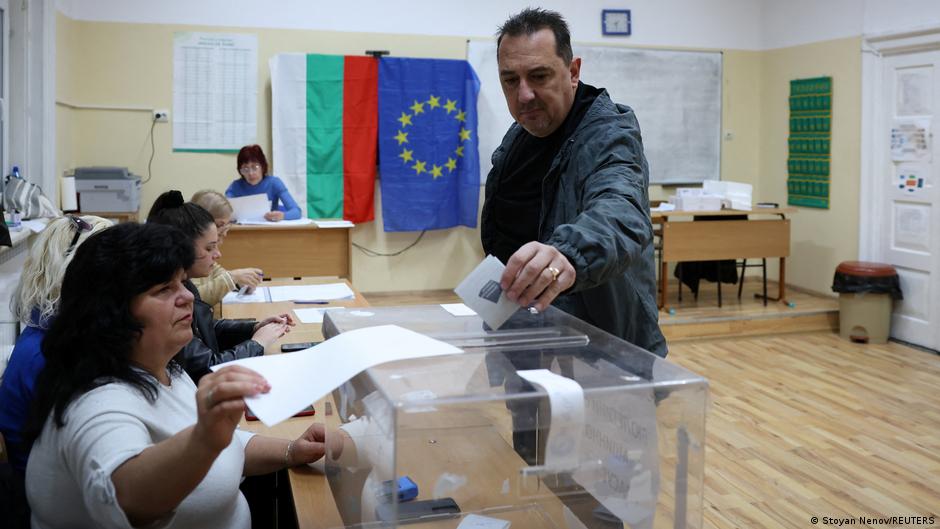
A record‑low turnout in the first round set the stage for a showdown between a Moscow‑friendly incumbent and a pro‑Western challenger.
Bulgarian voters headed to the polls on Sunday for a tightly contested presidential runoff. The second‑round ballot follows a first round that recorded a historic low turnout, with incumbent Iliana Yotova edging former caretaker prime minister Andrey Gyurov by less than three percentage points.
Yotova secured 34.76% of the vote, while Gyurov received 31.95% in the initial round.
Although the Bulgarian presidency is largely ceremonial, the office holds powers to appoint interim governments during crises, serve as commander‑in‑chief of the armed forces, and veto legislation.
The war in Ukraine dominates the campaign, as security concerns rise in the Black Sea region after an increase in drone attacks on commercial vessels.
Yotova has presented herself as a “president of peace,” advocating dialogue with Moscow and arguing that continued aid for Ukraine “leads only to more destruction and the deaths of many people on both sides.”
In a televised debate, Gyurov accused Yotova of avoiding direct criticism of Russia over the Black Sea attacks, stating, Russia must stop its aggression so that the next steps can be taken. Let us name the country from which the threats are coming.
Gyurov, a former deputy governor of Bulgaria’s central bank and caretaker prime minister in early 2026, has repeatedly voiced strong support for Ukraine and signed a security cooperation agreement with Kyiv during his premiership.
If elected, Yotova is expected to follow a line similar to Prime Minister Rumen Radev—maintaining Bulgaria’s European trajectory while seeking closer ties with Russia and advocating the lifting of sanctions.
After the first round, Gyurov framed the contest as a choice “between two personalities, two directions, and two ways of exercising presidential powers.”
The runoff thus represents a clear split in Bulgaria’s foreign‑policy outlook, with the outcome set to influence the nation’s stance on the Ukraine conflict and its broader geopolitical alignment.