Calls for Overhaul of UN Biodiversity COP as Nations Miss Nature Targets
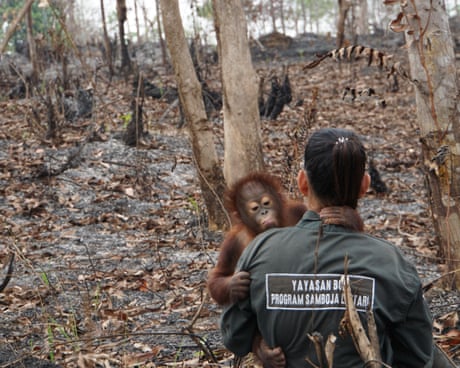
Delegates at COP17 in Yerevan warned the consensus‑driven process is “designed to fail” as countries lag behind on protecting 30% of the planet and restoring ecosystems.
Yerevan Wraps Up a Turbulent COP17
After two weeks of nonstop talks, the biodiversity COP17 summit in Yerevan, Armenia, concluded on Saturday morning. Delegates signed a package that re‑affirms the decade‑long targets set four years ago: protect 30 % of the planet for nature, restore nearly a third of degraded ecosystems, and reform $500 bn of environmentally damaging subsidies.
Countries also pledged to increase biodiversity finance to $30 bn a year by the end of the decade and to “ramp up action” on the existing goals. Yet the record shows governments are “way off track” on almost all targets, with the United Kingdom projected to meet only three of the 23 commitments.
The excitement of a new agreement is tempered by the stark reality of missed milestones.
Voices Calling for a Radical Shift
During the summit, environment ministers, activists and officials urged sweeping reforms to the way biodiversity COPs operate. Panama’s environment minister, Juan Carlos Navarro, a veteran conservationist, told AFP that the COP process had been “designed to fail.” He argued that the consensus‑based system lets “one idiot” block agreement, calling the proceedings “a bunch of baloney and beautiful speeches and BS.”
Navarro suggested the United Nations should host a single, annual environmental COP covering climate, biodiversity, plastics and other issues, saying, “This just makes my blood boil, because while we fiddle, Rome burns.”
A single, decisive summit could cut through endless negotiations.
Negotiation Outcomes and Lingering Disputes
The final text saw Argentina, Saudi Arabia and Russia water down language on environmental ambition. Wealthier nations debated expanding the list of donor states, noting that China and several Gulf states remain classified as developing countries despite rapid economic growth. The Yerevan agreement left this classification issue unresolved.
Decisions on a new fund to mobilise resources from firms profiting from digital biodiversity—such as pharmaceutical companies—were postponed to the next summit in Ecuador in two years. The fund had been expected to generate £1 bn a year for conservation, with a significant share for Indigenous communities, but it has so far raised just over $10,000.
The delay means a crucial financing stream remains out of reach.
Parallel Calls for Reform Across UN Summits
The criticism of the biodiversity COP echoes interventions at climate COP29 in Azerbaijan in 2024, where leading policy experts described that summit as “no longer fit for purpose” and urged a shift toward implementation.
Ruth Davis, the United Kingdom’s nature envoy, acknowledged the frustration many feel, but highlighted that “a huge amount of implementation was happening around the world.”
Optimism persists despite the procedural gridlock.
As COP17 closes, the push for structural change grows louder, with the hope that future summits will move beyond consensus‑driven stalemates to deliver the bold action needed to halt biodiversity loss.