Carney says talks with Trump on trade deal are “constructive” as US midterms loom
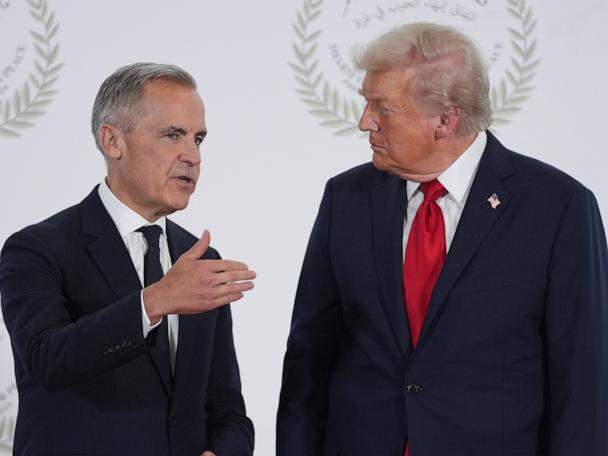
Canadian Prime Minister Mark Carney reports a constructive conversation with President Donald Trump and says negotiators will work toward a deal in the coming weeks.
Canadian Prime Minister Mark Carney said Sunday that his conversation with U.S. President Donald Trump about a potential trade deal was constructive and that negotiators will now work in the coming weeks toward an agreement.
Carney wrote on social media that the discussion built on recent talks outlining a deal that would create jobs, lower costs for families and protect Canada’s languages, culture and sovereignty.
The upbeat tone marks a shift from August, when Canada walked away from negotiations after rejecting U.S. demands that Carney said threatened Canadian sovereignty, French‑language protections and the auto industry. Trump responded with 50 % tariffs on roughly $20 billion in Canadian goods, prompting Canadian retaliation.
Talks have resumed, though progress has been uneven. Last week Carney said negotiations had intensified slightly and insisted that any movement toward a deal was because Washington was coming closer to Canada’s position.
As recently as Wednesday, Carney said the countries were not yet in a position to reach an agreement before Tuesday’s midterm elections.
The two sides have been discussing possible relief from U.S. tariffs on Canadian steel and automobiles, but no details of a potential agreement have been announced.
Trump’s trade war with Canada has become an issue in the Nov. 3 midterm elections, particularly in Michigan and Maine, where Republican candidates have faced pressure over tariffs hurting local businesses. Michigan Republican Senate candidate Mike Rogers has called for an end to the tariff war.
The trade dispute and Trump’s repeated threats to make Canada the 51st U.S. state have pushed Carney to seek new markets; Canada and the European Union launched a new economic and security alliance on Friday as Carney pursues a goal of doubling Canadian exports outside the United States over the next decade.






