China’s 2026 Clean‑Tech Exports Set to Avoid Emissions Equal to Brazil’s Annual Output
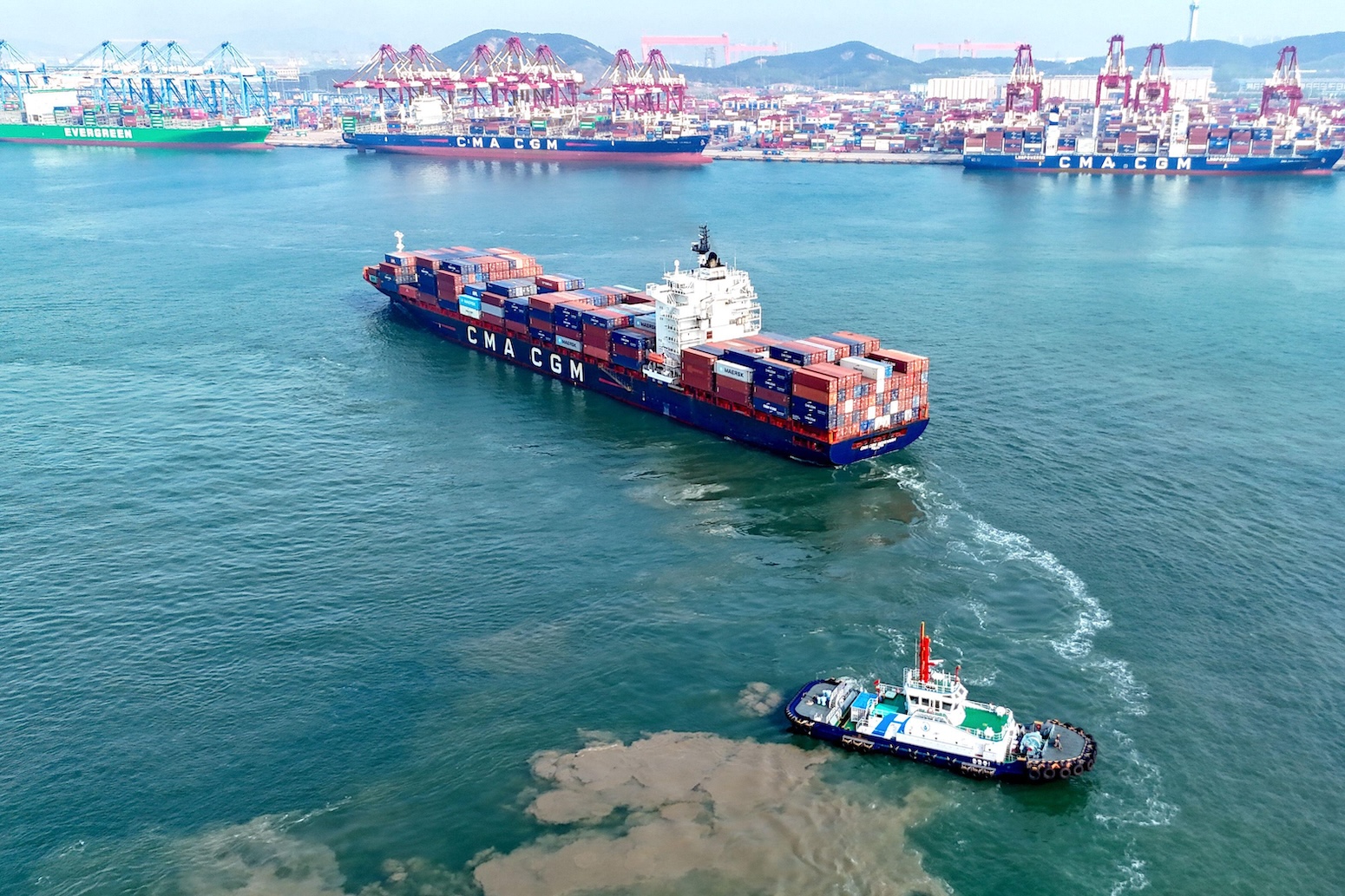
New analysis shows Chinese solar, wind, EV and battery shipments could cut about 450 MtCO₂ abroad in 2026, roughly matching Brazil’s yearly emissions.
Overall impact of 2026 clean‑tech exports
China’s exports of clean‑energy technologies—including solar panels, wind turbines, batteries and electric vehicles—are projected to avoid around 450 million tonnes of CO₂ (MtCO₂) in 2026. That figure represents roughly 2 % of global emissions outside China and is comparable to the total CO₂ released by Brazil in a year.
Year‑on‑year growth in the first three quarters
In the first three quarters of 2026, the impact of Chinese clean‑tech exports grew 26 % year‑on‑year, following a 36 % increase in 2025. Specific product categories showed strong gains:
Electric cars and heavy vehicles: +61 %
Wind turbines: +45 %
Batteries: +39 %
Solar equipment: +22 %
Electric two‑wheelers: +21 %
Lifetime avoided emissions
When the full operating life of the exported equipment is considered, 2026 exports could prevent 8,400 MtCO₂. This amount equals the combined annual emissions of the United States and India. It marks a 25 % increase from the 6,800 MtCO₂ avoided in 2025 and a two‑thirds rise from the 5,000 MtCO₂ avoided in 2024.
Solar and wind: the biggest contributors
Solar exports dominate the avoided‑emissions tally. In 2025, China shipped solar panels and intermediate products capable of delivering 436 GW of capacity (DC) once installed, generating about 720 TWh of electricity per year together with 8 GW of wind turbines. For 2026, the combined generation from solar and wind exports is projected at approximately 800 TWh, equivalent to the output of roughly 100 coal‑fired power plants. Over their lifetimes, solar exports are expected to avoid 6,400 MtCO₂, far outpacing wind‑turbine exports, which account for about 180 MtCO₂ of avoided emissions.
Electric vehicles and batteries
In 2025, China exported about 39 million electric vehicles, including 36 million two‑wheelers, 2.2 million battery‑electric cars, 160,000 plug‑in hybrids, 15,000 buses and 30,000 trucks. Batteries with a total capacity of 305 GWh were also shipped, enough to power roughly 5 million electric cars. These EVs and batteries are projected to avoid 170 MtCO₂ over their lifetimes, while electric two‑wheelers could avoid an additional 40 MtCO₂ based on real‑world usage studies.
Geographic distribution of avoided emissions
Although the majority of export value in the first three quarters of 2026 went to the Global North, 76 % of lifetime avoided emissions occurred in the Global South. South and Southeast Asia alone accounted for 52 % of the total avoided emissions, reflecting large solar shipments to grids with high carbon intensity. In 2025, 73 % of the lifetime avoided emissions were in Global‑South countries, which also contributed 87 % of the year‑on‑year growth.
Manufacturing emissions and payback time
Manufacturing the exported clean‑tech equipment generated about 170 MtCO₂ within China in 2025, while the same exports avoided 370 MtCO₂ abroad. This implies a six‑month payback period for the CO₂ emitted during production.
Implications for Chinese trade and domestic market
The analysis notes that most Chinese clean‑energy exports have entered new or expanding markets, allowing other producers to keep their sales volumes. Domestic sales of clean‑tech remain larger than exports for most product categories, but a slowdown in Chinese solar production could heighten trade tensions if it persists.
Conclusion
China’s expanding clean‑tech export sector is delivering a substantial climate benefit abroad, with 2026 on track to avoid emissions comparable to Brazil’s entire annual output and to displace a significant share of coal‑generated electricity worldwide.