China’s Priorities at COP31: Multilateralism, Trade and Climate Finance
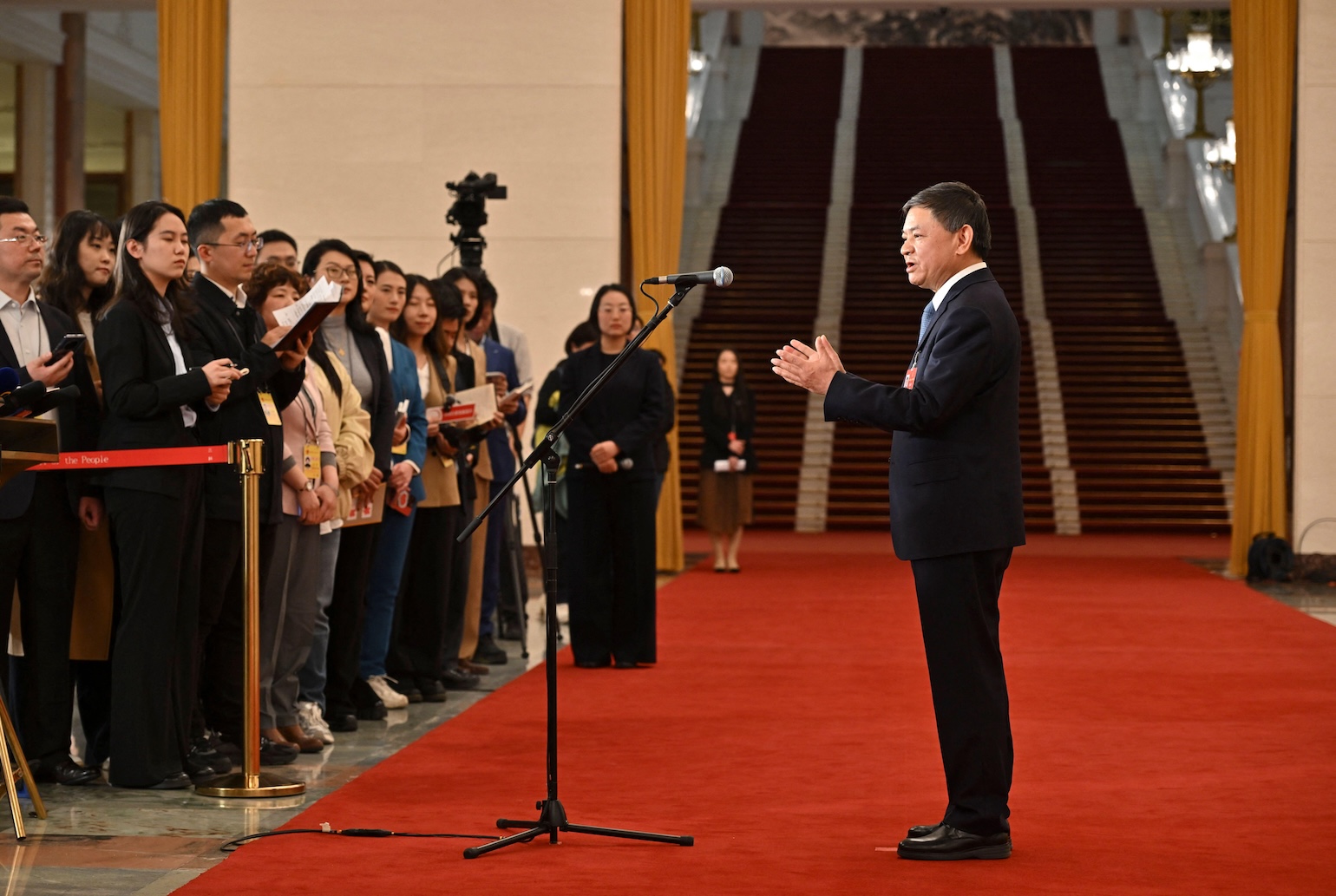
Experts say China will use the Turkey summit to push multilateralism, clean‑tech trade and stronger finance for developing nations.
China’s stated agenda for COP31
At a recent press conference, China’s environment vice‑minister Li Gao said the country will “uphold multilateralism” and send a “clear political signal” of global unity on climate action. He also pledged to promote an “open and efficient” trade system that “facilitates” the adoption of clean‑energy technologies.
Li highlighted two traditional concerns: “address insufficient emission reduction efforts by developed countries” and “inadequate financial support” for developing nations.
Expert views on what China wants
Kate Logan, director of the China climate hub at the Asia Society Policy Institute, expects China’s top priority to be multilateralism. She notes that with major Paris Agreement items already settled, China may be satisfied with a low‑drama conference, but will likely use the stage to oppose unilateralism and push for an open, fair international trade system.
Logan adds that China may seek clarity on implementation pathways for existing targets, including nationally determined contributions and the $300 billion climate‑finance goal. She will watch for credible finance plans, especially for adaptation, and for how the climate‑trade debate affects the affordability of clean technologies.
Ma Jun, founder of the Institute of Public and Environmental Affairs, says China wants COP31 to reaffirm confidence in multilateral cooperation and turn commitments into action. He expects China to push for clearer delivery of climate finance, reductions in short‑lived gases such as methane, support for a just transition, and attention to trade barriers affecting clean technologies.
Yao Zhe, global policy advisor at Greenpeace East Asia, notes that China’s new five‑year climate plan calls for “proper handling of climate‑trade issues and the free flow of low‑carbon products.” He will watch how this strategy plays out on the negotiation floor and how China reacts to the COP presidency’s electrification initiative.
Prof. Ryna Cui of the University of Maryland Center for Global Sustainability points out that the core COP31 theme will be implementation and delivery, aligning with China’s domestic clean‑energy progress and overseas opportunities for low‑cost Chinese technologies. She suggests China may increase its leadership in the transition away from fossil fuels agenda as it reaches its coal and oil peaks.
Dr. Joseph Dellatte, resident fellow at Institut Montaigne, expects China to seek recognition as a climate leader while defending its role as the world’s cleantech manufacturing hub. He will watch whether China frames the transition around access to its technologies and open markets, or shows willingness to share industrial benefits through joint ventures and technology sharing.
Prof. Jeremy Wallace of Johns Hopkins notes that Chinese firms have made solar, batteries and electric vehicles cost‑competitive, and that China’s preparation for COP31 will likely involve leveraging this industrial strength in climate diplomacy.
Key issues to watch
How China integrates trade perspectives into climate negotiations, possibly pushing for a dedicated agenda item on trade.
China’s response to the COP presidency’s electrification initiative and whether it links electrification to cleaner grids.
Whether China will accept greater responsibility for climate ambition while maintaining leadership among developing countries, including additional voluntary finance.
China’s stance on methane reduction and other non‑CO2 gases as part of its 2035 all‑sector, all‑greenhouse‑gas NDC.
Overall, experts expect China to use COP31 to reinforce multilateralism, promote an open trade environment for clean technologies, and press for stronger climate finance, while positioning itself as a central player in the global clean‑energy transition.
China’s performance at COP31 will signal how the world balances climate ambition with trade realities in the next decade.