Fast Ferries Threaten Endangered Whales in Mediterranean Protected Zone
A Guardian investigation shows major ferry operators keep sailing at speeds that can kill sperm and fin whales despite a voluntary slowdown recommendation.
Whale sightings and a worrying injury
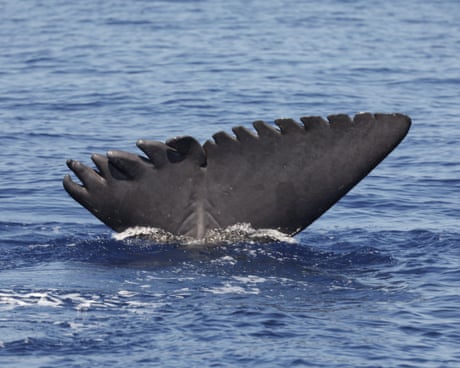
Marine biologist Alice Barbarioli was recording sperm whale clicks from a hydrophone aboard the Pelagos research vessel when the animal surfaced near the sanctuary’s protected waters. The whale’s left fluke bore a precise scar that Barbarioli identified as likely caused by a vessel collision.
Speed data expose risky ferry traffic
A Guardian investigation, using maritime‑intelligence data from Veson Nautical, found that large passenger and cargo ships from four operators—Grimaldi Group, Corsica Ferries, Baleària and Moby Lines—regularly travel through the Pelagos sanctuary at 15 knots (17 mph) or faster. Collisions at those speeds “almost always kill” cetaceans, whereas strikes below 10 knots are “unlikely to kill.”
In 2025, vessels logged more than 280,000 hours at 15 knots or above within the IMO‑designated “particularly sensitive sea area” (PSSA).
Over 6,000 hours were spent above 25 knots, a speed common to tourist ferries.
Captains speak out on commercial pressures
The Guardian interviewed six captains—five current and one former—who operate in the PSSA for Grimaldi and Moby Lines. One Grimaldi captain said, As long as it’s only a recommendation, nobody will reduce speed. It would mean overhauling the whole commercial system. The ferries in the area travel at 25 knots, especially the ones carrying tourists. They have schedules to follow.
Thomas Folegot, CEO of maritime‑tech firm Quiet‑Oceans, added that while container ships might modestly cut speed, for ferries it’s a killer. [Passengers] will fly to Corsica. Both Grimaldi and Moby Lines were contacted for comment but did not respond.
Why slowing vessels matters
Conservation NGO Oceancare identifies speed reduction as the most effective mitigation when rerouting is not possible. The high‑speed traffic through a habitat that supports roughly two‑thirds of the Mediterranean’s fin whales and more than one‑fifth of its sperm whales therefore poses a direct threat to these endangered species.
Conclusion
Despite an IMO recommendation and the clear risk to endangered whales, major ferry operators continue to prioritize speed and schedule adherence, keeping vessels in the Pelagos sanctuary at speeds that can be lethal in a collision, and leaving conservation groups with limited options to protect the region’s vulnerable cetaceans.