Federal Funding Cuts Slash $470 Million From Tribal Climate Projects, Stalling Alaska Wind Initiative
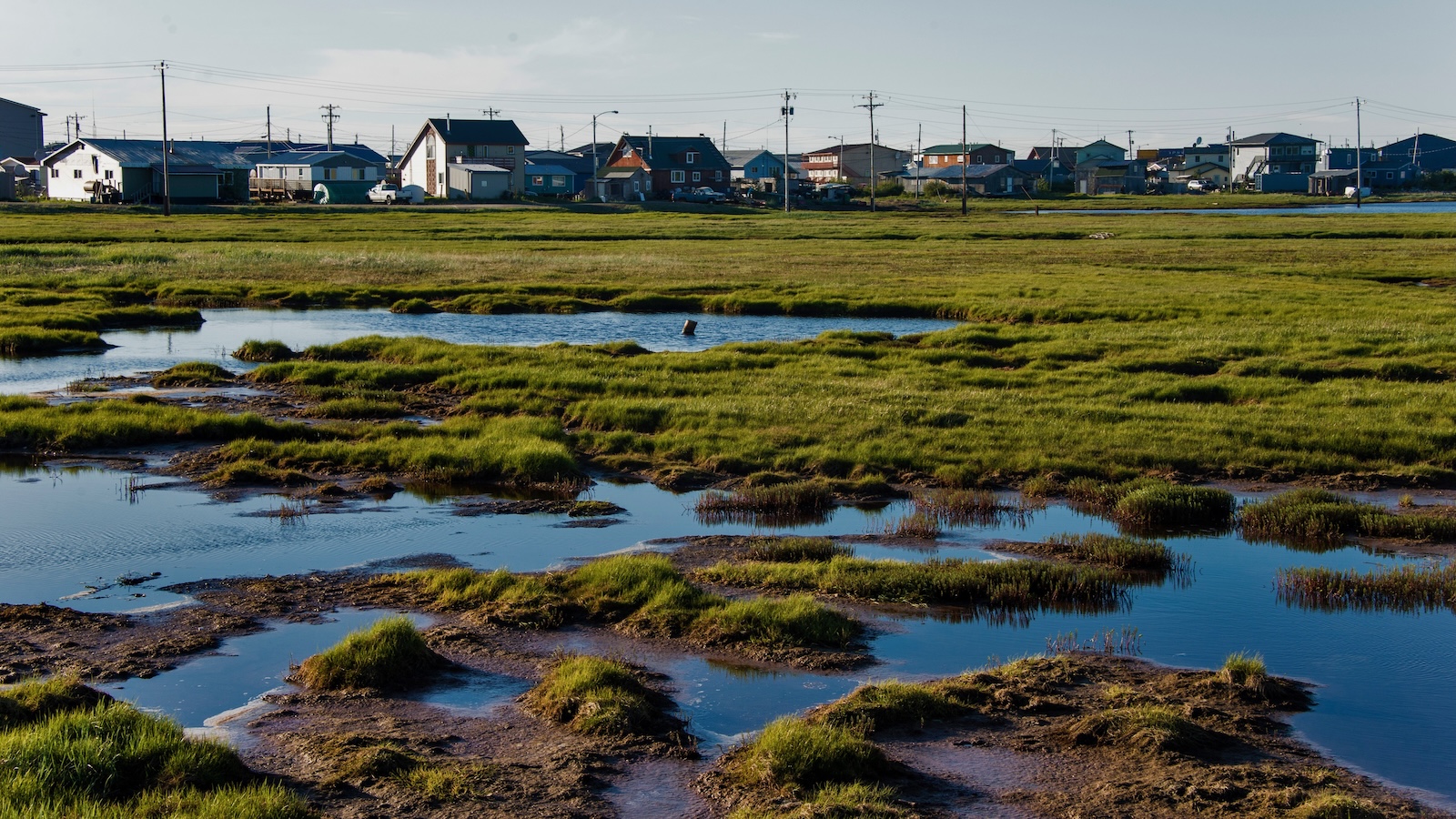
A Trump‑era cancellation of a $20 million EPA grant leaves Kotzebue, Alaska, and dozens of other Indigenous communities without critical climate‑resilience money.
Alaska village faces diesel‑dependency crisis
Kotzebue, a small city north of the Arctic Circle, receives all of its diesel fuel during a three‑month window before sea ice blocks freight barges. Diesel powers about 75 percent of the community’s electricity, and residents spend roughly 20 percent of their income on fuel—more than three times the national low‑income average. “We’re pretty much at the mercy of world markets,” said Chad Nordlum, energy project manager for the Native Village of Kotzebue, noting that the Iran war has driven diesel prices higher.
Wind grant vanished amid federal pullback
In 2024 the Environmental Protection Agency announced a $20 million grant to fund a wind‑energy project that Nordlum said would cut diesel use to 40‑50 percent and give the tribe greater control over its energy future. The grant was part of a broader $150 million allocation for tribal infrastructure in Alaska. The Trump administration cancelled the grant in May 2025, and more than a year later the project remains stalled.
Massive cuts to tribal climate funding
Brookings Institution reports that the Department of Government Efficiency eliminated $468 million—about half of the funding earmarked for environmental and natural‑resource projects in Indian Country. An additional 11 percent of the withdrawn money targeted agriculture. The cuts affect climate‑resiliency plans, renewable‑energy projects, and jobs programs.
Pattern of underinvestment
According to the Brookings analysis, the post‑pandemic surge in tribal funding—over $700 million in climate, energy, and infrastructure under the Biden administration—was an outlier. Prior and subsequent administrations have defaulted to lower levels of support, a trend the report describes as “the default for the U.S. rather than a blip.”
Other tribal projects hit
The Hopi Tribe’s planned $25 million solar‑panel installation for 600 homes was among the projects cut, as was the entire $7 billion “Solar for All” program. These cancellations illustrate the breadth of the funding rollback.
Calls for statutory protection
Brookings fellows Rob Maxim and Glencora Haskins argue that tribal funding should be insulated from political shifts. They recommend legislation that bars cancellation of grants and contracts for tribes and requires direct disbursement to tribal governments rather than reimbursement through the U.S. Treasury.
Local response and next steps
Nordlum remains hopeful that a future political shift will revive the wind project. In the meantime he is pursuing a smaller solar initiative to ease Kotzebue’s energy burden. “Our main goals are energy security and economic development for the tribe, which is ultimately being able to invest in our own community,” he said, emphasizing the need to “get a handle on our energy prices and availability.”