Friends Find Common Ground on Venezuela Amid Perceived U.S. Polarization
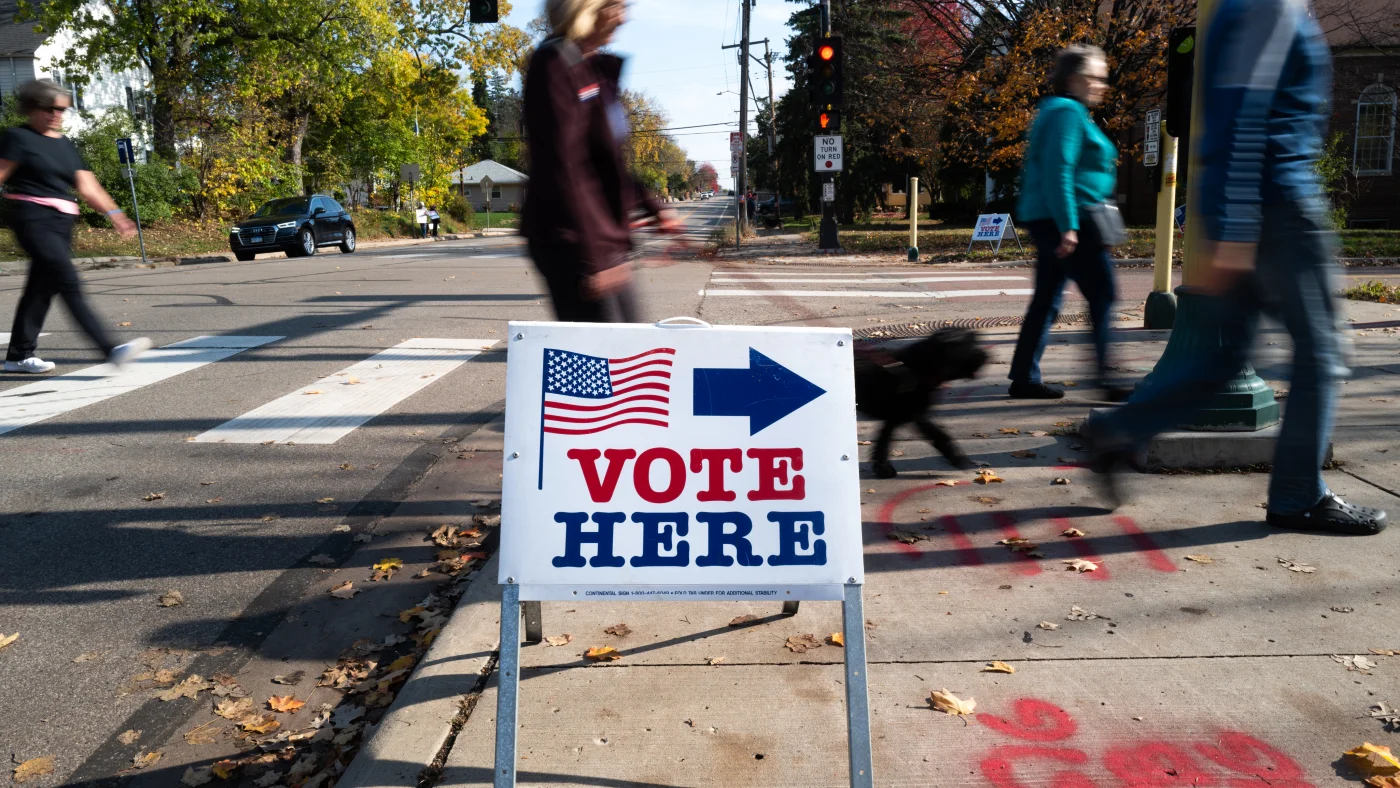
A casual cafe conversation reveals that Americans may overestimate their political differences, according to researchers.
America’s political divide may feel sharper than it truly is, according to recent research.
Conversation in a Houston café
Shanna Berry and Alma Ong, both in their early 50s, met at a café in Houston and deliberately avoided politics to preserve their friendship. When asked about the U.S. capture of Venezuela’s former president Nicolas Maduro, Berry, a Christian, retired hairdresser and Air Force veteran who has supported President Trump, initially declined but then shared her view.
“I feel like the end of the regime was necessary,” Berry said, adding that she was unsure about the legalities and suspected oil interests, yet noted that many Venezuelans seemed happy.
Ong, a Buddhist who grew up in London and moved to the United States in the 90s, described herself as more liberal and not a fan of the president. She responded, “I agree with absolutely everything she just said,” expressing astonishment at the alignment.
What researchers say
Kristin Laurin, a psychology professor at the University of British Columbia, said the exchange illustrates two well‑documented findings in polarization literature. First, people often avoid political discussion to prevent conflict, which can lead them to overestimate how different they are from others. Second, those assumptions can be completely wrong, as Berry and Ong discovered they actually shared the same perspective.
Laurin added that politicians and political elites tend to portray opponents as extreme to energize their bases, while social‑media platforms amplify outrage‑driven content to boost engagement.
“Our perceived polarization far outstrips the actual polarization,” Laurin concluded.
The anecdote underscores a broader pattern: surveys indicate a sizable, messy majority in the middle who hold views that cross partisan lines, even as the public narrative suggests a nation split in two.
Understanding the gap between perceived and actual political division could help ease the tension that fuels today’s partisan climate.