Greenland Ice Sheet Marks 30th Consecutive Year of Net Ice Loss
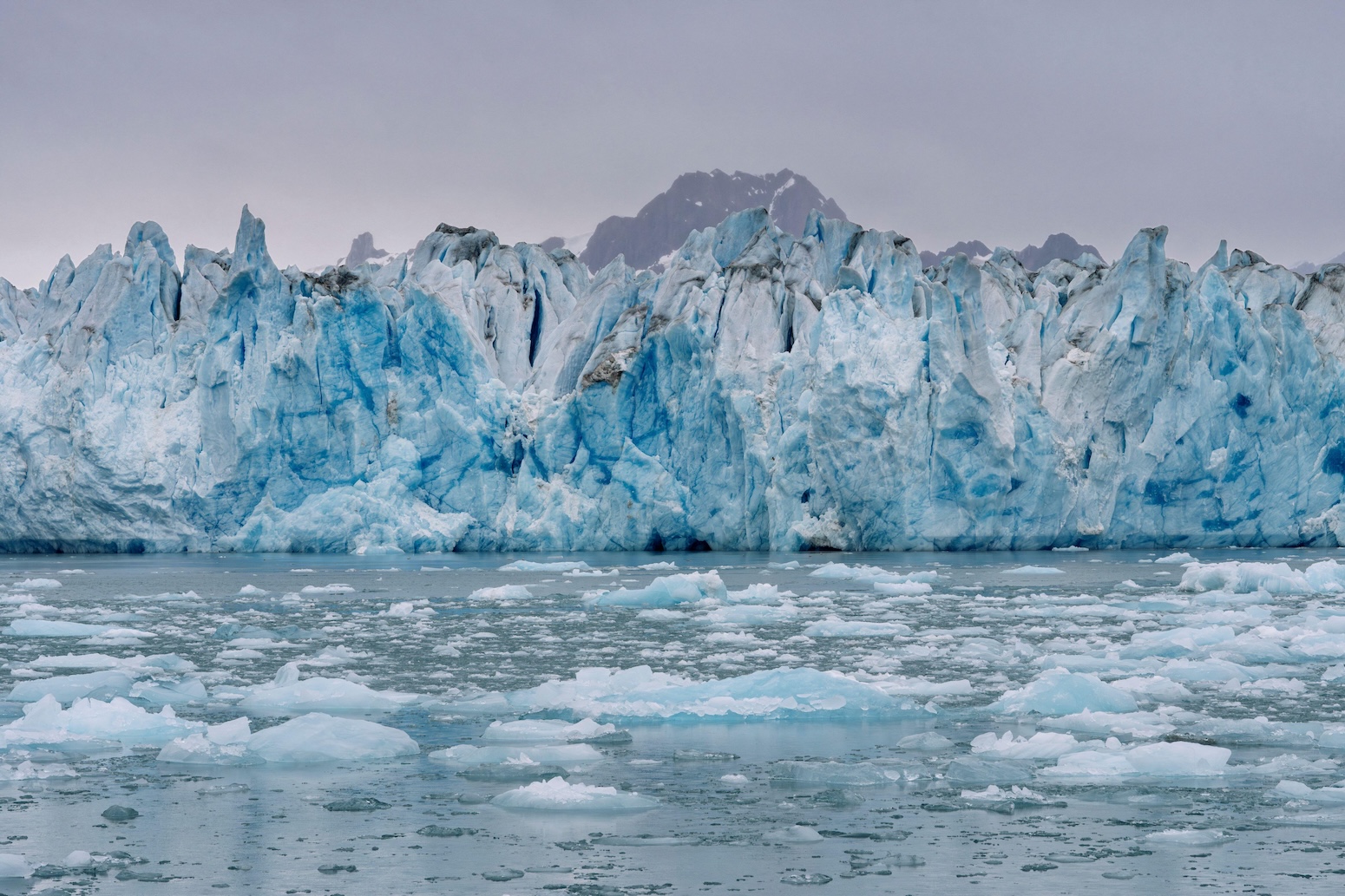
The Greenland ice sheet shed about 135 billion tonnes of ice in the year to August 2026, continuing a three‑decade streak of decline.
30‑Year Record of Net Ice Loss
Greenland has now recorded 30 consecutive years of losing more ice than it gains. Over the 12‑month period ending in August 2026 the world’s second‑largest ice sheet shed approximately 135 billion tonnes of ice.
Understanding Surface Mass Balance
Scientists track the “surface mass balance” (SMB) by comparing snowfall gains to melt losses on the ice sheet’s surface. The annual cycle runs from 1 September to 31 August. Historically, SMB at the end of this period has been positive because snowfall exceeds melt.
For 2025‑26 Greenland’s SMB was 519 billion tonnes, the sixth highest in a 46‑year record and about 178 billion tonnes above the 1981‑2010 average of roughly 350 billion tonnes. The SMB was positive from September 2025 through May 2026, then turned negative from June onward as melt intensified.
Total Mass Balance Includes Marine and Basal Losses
The “total mass balance” adds ice loss from iceberg calving, glacier‑front melt in warm seawater (marine mass balance), and a small basal melt component. This combined metric has been negative for several decades, and 2025‑26 continued the trend.
Using the standard three‑model average method, total loss was calculated at 135 billion tonnes. A new estimate that incorporates data from a single climate model, automatic weather stations, satellites, GPS and aircraft observations suggests a larger loss of 173 billion tonnes for the same period.
Surface Melt Dynamics in 2025‑26
Winter and early spring were unusually dry in southern Greenland, leaving about 40 billion tonnes less snow than normal. Dry winters often lead to higher melt later, but a relatively cool start to summer and extensive cloud cover limited early melt.
The melt season began on 5 June, nine days later than the 1981‑2010 average. Warm, sunny conditions dominated from the end of June, and melt peaked on 22 July, covering 74.9 % of the ice sheet. For comparison, July 2025 recorded the highest melt area at 81.2 %.
Fresh snow in early June created a cold, bright buffer that moderated later melt and runoff, despite the intense mid‑summer melt episode.
Snowfall’s Role in the Ice Budget
Snowfall remains the sole mechanism for the ice sheet to gain mass. The positive SMB in 2025‑26 reflects that snowfall, though reduced in the dry winter, still outweighed surface melt over the full annual cycle.
Overall, the continued net loss underscores Greenland’s status as the largest present‑day source of ice‑driven sea‑level rise and offers a glimpse of potential future changes in Antarctica.
The persistence of ice loss, even in a relatively cool year, highlights the deepening imprint of climate change on Greenland’s ice dynamics.