Hackers Freeze Out Fridges From France to Israel in Coordinated Cyber Assault
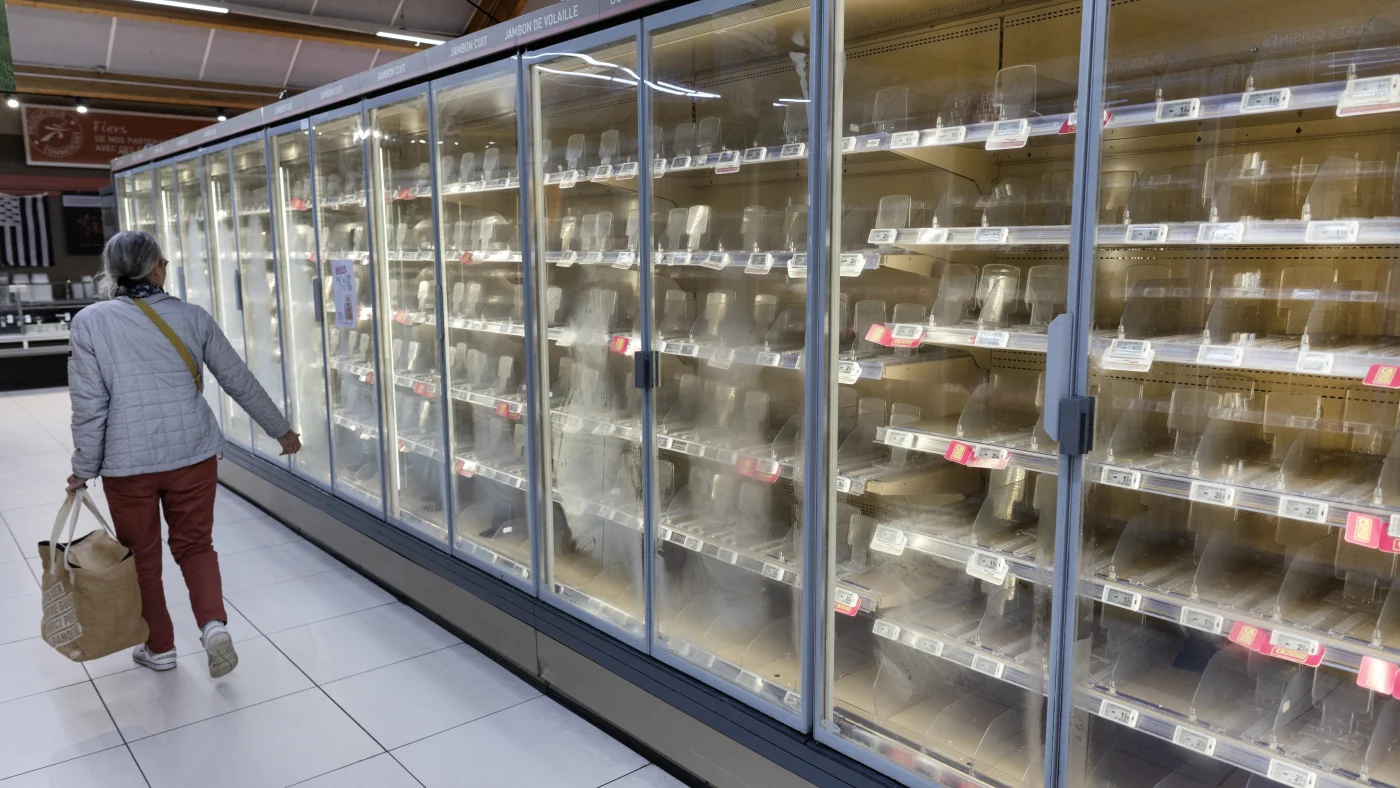
A wave of cyberattacks on refrigeration systems has left supermarkets, military bases and food producers scrambling to replace spoiled goods.
French supermarkets feel the chill of a cyber‑freeze
On October 12, a coordinated cyberattack caused fresh‑food refrigerators to defrost in roughly 150 to 200 Intermarché locations and almost 100 Coopérative U outlets, the retailers reported. A woman was photographed walking past empty cases at an Intermarché in Névez, western France, after the incident.
From Israeli factories to U.S. bases: the attack’s reach
Earlier in May, an Israeli food‑production plant experienced a multi‑vector breach: office printers spewed threatening messages, malicious code erased internal data, and industrial freezers smoked as compressors failed, ruining weeks of product. The plant remained idle for over a week while replacement parts were sourced from abroad.
In August, U.S. military bases reported similar refrigeration controller compromises. By early November, the same pattern appeared in IKEA stores and a variety of food retailers across Sweden, Estonia, Ireland, Luxembourg, the Netherlands and Belgium.
Who’s behind the frosty sabotage?
Omri Segev Moyal, head of Israeli incident‑response firm Profero, says forensic evidence and direct claims point to Iranian military hackers operating under the name “Cyber Isnaad Front.” The group is also linked to influence campaigns targeting the 2024 U.S. elections. Moyal told NPR the strikes occurred during the waning days of a cease‑fire between Iran and Israel, a period when tensions were rising.
Emerging trend and broader risks
Unidentified actors have continued to target refrigeration controllers worldwide, spoiling fresh produce and imposing costly clean‑ups on businesses. A video posted to social media in March showed a small Israeli kosher grocery chain with visibly spoiled meat after a hack, though the company did not comment.
Josh Corman, a former Cybersecurity and Infrastructure Security Agency official, warned that connecting industrial refrigeration to the internet exposes it to accidents and adversaries. He cautioned that while current attacks hit food supplies, future ones could threaten “temperature‑sensitive drugs and laboratory materials.”
What’s next for vulnerable cold‑chain infrastructure?
Cybersecurity experts argue that the surge in AI‑enabled intrusions into aging industrial systems should spur governments and companies to address long‑standing security gaps before the stakes grow higher.
The cold war may be digital, but the spoilage is all too real.