How Theatre Horror Makers Engineer the Perfect Fright
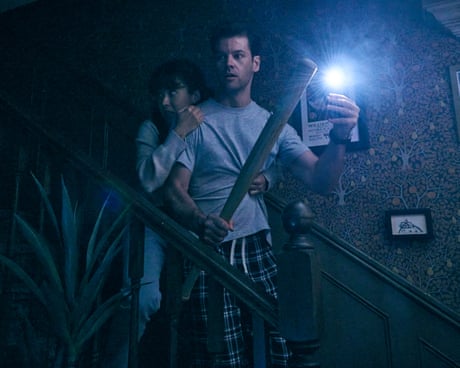
From a midnight car sensor glitch to the “Jaws effect,” creators reveal the tricks behind today’s stage scares.
When Sam Beech’s car sensor went off at 1 am, the driver heard something “snuffling around the car” for half an hour, yet saw nothing. The writer‑director says the experience made him decide, “If I don’t look behind me, it won’t get me,” and it has since haunted his imagination.
Beech, who has seen Andy Nyman’s 2010 play Ghost Stories four times, found the sensor’s timing uncanny, recalling the gnarly end of the stage character in Nyman’s work. That night’s dread fed directly into his new horror production Blackout, now touring the UK until 27 February. The show leans on “the quiet, the absence, the idea of something lurking in the shadows,” mirroring the driver’s own fear of the unseen.
Across the country, illusionist Chris Fisher, the designer behind the stage version of Paranormal Activity at the London Ambassador’s Theatre (also running to 27 February), offers a complementary philosophy. He calls it “the Jaws effect,” noting that audiences find it scarier to see the fin and hear the music than to confront a full mechanical shark head.
Both productions illustrate a common thread in contemporary theatre horror: leveraging suggestion, darkness, and sound to make audiences “gasp in terror.” As Beech admits, “I don’t like driving in the dark,” and Fisher’s own reaction to his work was “checking under my bed for several nights.” The result is a season where stage fright is engineered with the same precision as a well‑timed jump scare.





