Listener Questions About the 2026 Midterms: Polls, Coverage and a Nevada Race
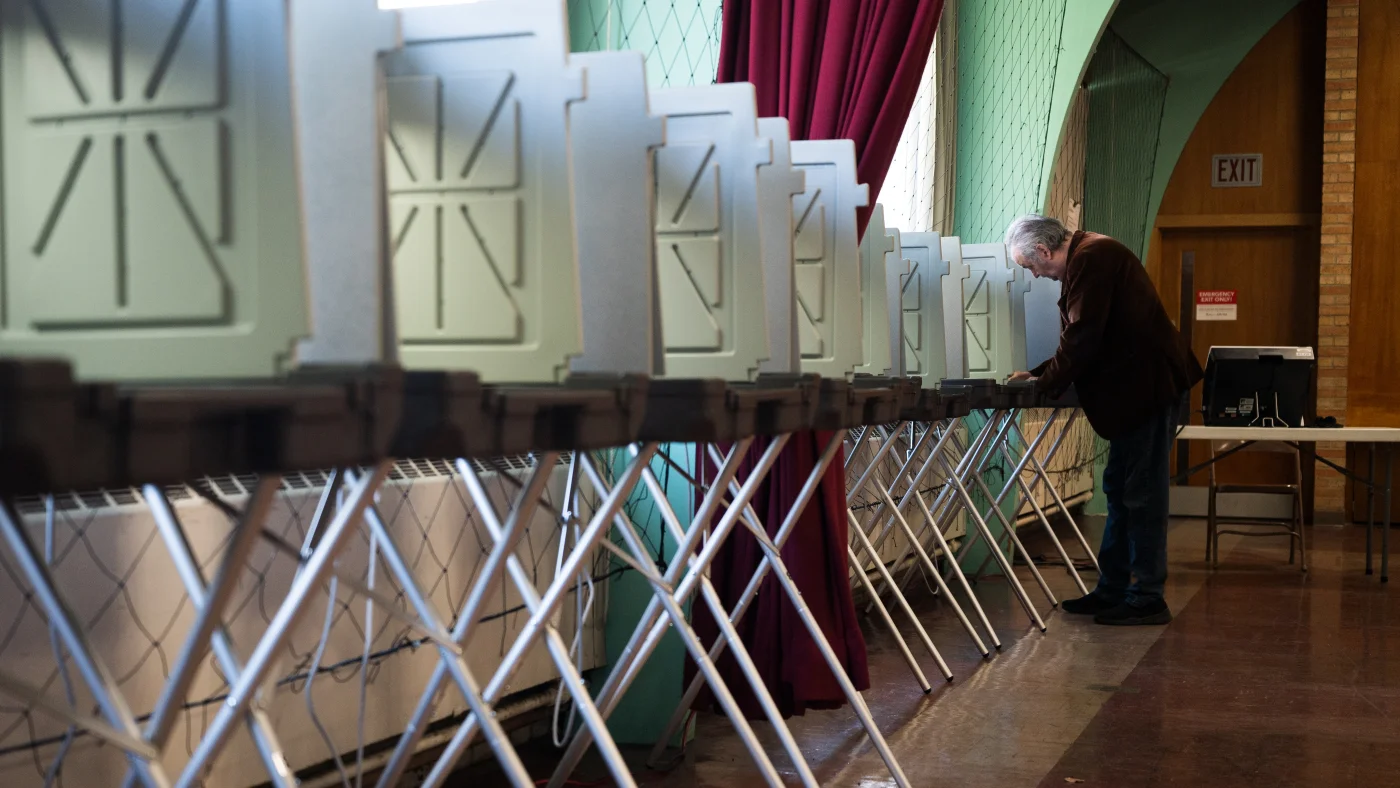
NPR journalists answer listener queries on poll reliability, election reporting and a dramatic Nevada congressional contest.
Can You Trust the Polls?
National polls have been “pretty good” at predicting the overall horse‑race outcome in the 2026 midterms, but they have tended to underestimate Republican turnout slightly. Reporters remind listeners that every poll carries a margin of error—a poll listed as +/- 3 or 4 points actually spans a 6‑ to 8‑point range. In a nation where many races are decided by narrow margins, that built‑in fuzziness can make the public expect more precision than the data can provide.
At the state level, the picture is messier. Listeners have heard about “junk polls” and even a couple of “fake” surveys this cycle. The decline of local newspapers and TV stations, which lack the funding of national outlets, has reduced the amount of rigorous, frequent polling available in many states.
What Role Do Polls Play in Election Coverage?
According to NPR senior political editor Domenico Montanaro, horse‑race polling is not the most valuable use of polling data. He says he rarely discusses exact margins between candidates unless there is a clear, statistically significant trend. The most useful information lies in tracking movement over time on issues, approval ratings and the strength of public attitudes.
Campaigns and corporations also spend millions on polling to decide where to allocate money, where to travel and which messages to push, using the same pollsters that appear in public reports. Montanaro stresses that polling is just one tool and should be combined with historical context, campaign reporting and on‑the‑ground observation—principles that NPR prioritizes.
How Do Reporters Experience Midterm Coverage?
Montanaro notes that presidential elections are “easier to cover” because they involve two clear sides and attract massive public interest, as reflected in higher turnout compared with midterms. However, he finds midterm races “consequential” and “a lot of fun,” especially because they feature “quirky candidates” and storylines that rarely surface in presidential contests.
Congressional reporter Sam Gringlas describes the contrast between the security‑heavy, stadium‑size presidential rallies and the more intimate settings of House or Senate campaigns. He recounts covering candidates at an antique shop, a farmer’s market, a UAW picnic, a family farm and a smoke‑jumper‑themed brewery, noting the opportunity to watch candidates interact directly with voters.
Senior political correspondent Tamara Keith adds that midterms allow reporters to spend time with congressional candidates or even candidates for the state legislature, and that voter engagement tends to be higher in presidential years, leading to richer voter interviews.
Spotlight on Nevada’s 2nd Congressional District
Keith shares that the Nevada 2nd District has become her “hobby.” The district, which President Trump won by 14 points, has never elected a Democrat in its more than 40‑year history. This cycle, the Republican nominee is a Trump‑backed candidate who moved to the district solely to run for Congress and, in an interview, blamed his grandkids for one of his missteps.
The Democratic nominee is a former Miss Nevada who now serves as a state legislator and is running a “very solid campaign.” The retiring Republican congressman has been publicly criticizing the GOP nominee and even announced that he voted for a Libertarian instead. While the Republican is still “favored to win,” the race remains “messy” and is being watched closely for its dramatic twists.
Key Takeaways for Listeners
National polls are generally reliable for the overall midterm picture but have modest errors that matter in close races.
State polls vary widely; assess the pollster’s credibility, especially given the financial strain on local journalism.
Midterm reporting offers unique, close‑up access to candidates and can reveal trends that national horse‑race numbers miss.
The Nevada 2nd District exemplifies how local dynamics and candidate personalities can create unpredictable outcomes.
Understanding these nuances helps voters interpret poll headlines, appreciate the depth of election reporting, and follow the unfolding stories that shape the 2026 midterms.






