Michigan Senate Race Highlights Jewish Voter Concerns Over Israel and Antisemitism
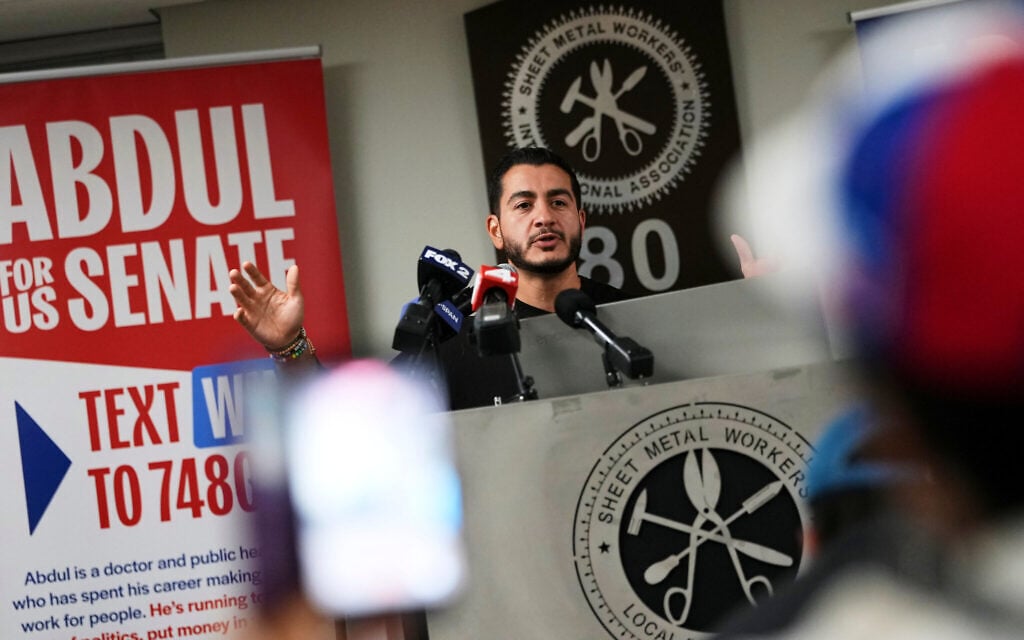
The contest between Democrat Abdul El‑Sayed and Republican Mike Rogers is becoming a litmus test for Jewish support of the Democratic Party amid rising anti‑Zionist rhetoric.
Jewish voters face a pivotal test in Michigan’s Senate contest
As Democrats aim to use President Donald Trump’s unpopularity to capture Congress in Tuesday’s midterm elections, the stakes are high for Jewish communities, whose concerns are now on the ballot.
The central question is how Jews will respond to what they perceive as growing hostility toward Israel within the Democratic Party. Historically aligned with Democrats, many Jewish voters are uneasy about far‑left candidates in states such as New York and Michigan.
Polling shows that American Jews largely oppose Trump, yet the Michigan race pits Democrat Abdul El‑Sayed against Republican Mike Rogers, turning the seat into a barometer for Jewish loyalty to the Democratic Party.
El‑Sayed has drawn criticism from Jewish groups for remarks made after an attempted terrorist attack at a Michigan synagogue and preschool, saying “Hurt people hurt people,” before later apologizing. The controversy deepened when a far‑left commentator, Cenk Uygur, posted a video blaming Israel for high grocery prices in the United States; El‑Sayed distanced himself from the ad, but the incident sparked a feud with his former primary rival, Haley Stevens.
Stevens, also a Democrat, shocked observers by endorsing Republican Rogers after the primary, a move that provoked anger among leading Democrats. Senate Minority Leader Chuck Schumer labeled Stevens’ endorsement a “despicable betrayal.”
In the midst of this turmoil, many Jewish voters remain dissatisfied with both El‑Sayed and the Republican option, highlighting the complexity of their electoral calculus.
The outcome of the Michigan Senate race will not only affect control of the chamber—Democrats need to retain the seat after incumbent Gary Peters’ retirement—but also signal how anti‑Zionist currents may reshape Jewish voting patterns in future elections.
How Jewish voters navigate the tension between party loyalty and Israel‑related concerns could set the tone for upcoming national contests.