Missouri Grassroots Push to Defend Transgender Healthcare Faces Ban Proposal
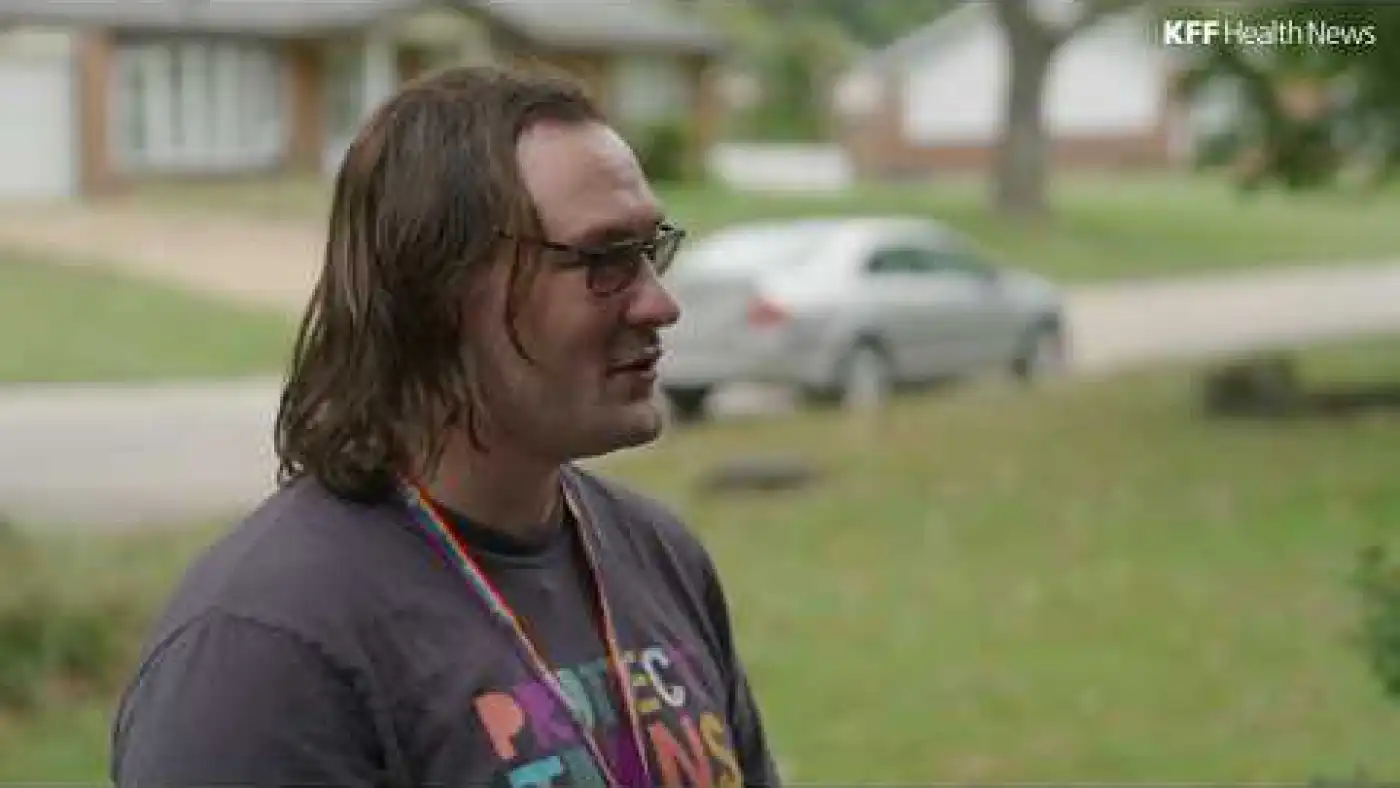
A deep‑canvassing effort led by transgender activist Reneé Luckfield aims to spark 10,000 conversations before the midterm vote on a constitutional amendment that would ban gender‑affirming care for minors.
Ground‑Level Outreach in St. Louis
“Honestly, it’s not something that I’m entirely comfortable with,” says 29‑year‑old transgender activist Reneé Luckfield as she rehearses a friendly “tap‑tap‑tap” before each door. Luckfield spends her days in the affluent Creve Coeur suburb, knocking on doors to discuss the looming constitutional amendment that would ban gender‑affirming care for minors.
She admits the work feels unfair, yet she persists, aiming to make strangers feel at ease while she explains the stakes of the proposed ban.
What’s at Issue?
Missouri voters will decide whether to add an amendment that would permanently prohibit minors from receiving gender‑transition surgery, cross‑sex hormone therapy and puberty‑blocking medication. The measure is bundled with an effort to reinstate a near‑total abortion ban in the state constitution.
In 2023, the Republican‑controlled legislature already blocked minors’ access to gender‑affirming surgeries and placed a four‑year freeze on new prescriptions for puberty blockers and hormones.
Deep Canvassing Strategy
PROMO Missouri, the LGBTQ+ advocacy group behind the effort, has set an ambitious target: 100,000 door knocks across five of the state’s largest metro areas, with the goal of completing 10,000 substantive conversations before Election Day.
Full‑time canvassers like Luckfield lead the charge, supported by weekend volunteers. Roughly one in ten knocks turns into a dialogue, and the group celebrated reaching 6,000 conversations in early October.
The approach, known as “deep canvassing,” seeks open‑ended, transformative talks rather than quick persuasion. Past applications include a 2012 campaign that helped overturn Maine’s gay‑marriage ban and a 2021 Minnesota police‑reform effort that sparked debate despite losing at the ballot.
Political Context and Polls
The amendment is currently polling at 43% support, 44% opposition and 13% undecided, with a margin of error of 4.09%. Unlike earlier surveys that asked separately about abortion and trans‑care, this poll bundles the two issues.
Organizers are focusing on voters who oppose the abortion ban but remain unsure about the trans‑healthcare restriction, avoiding those already firmly for or against the measures.
Nationally, 2024 has seen transgender healthcare become a focal point of elections, with similar ballot measures appearing in Colorado, Arizona, Nebraska and Washington.
Looking Ahead
As the November midterms approach, Luckfield and her fellow canvassers continue their door‑to‑door outreach, hoping their conversations will tip the balance in a race that could permanently reshape access to gender‑affirming care for Missouri’s youth.