New Study Shows Microplastics Generate Harmful Free Radicals in Water
Laboratory research published in *Nature* reveals that microplastics can produce free radicals when they contact water, challenging the idea that plastics are chemically inert.
Microplastics are not chemically inert, new research shows
Plastics are used in everything from food packaging to medical devices, partly because they were thought to be chemically inert—meaning they do not easily react with other substances.
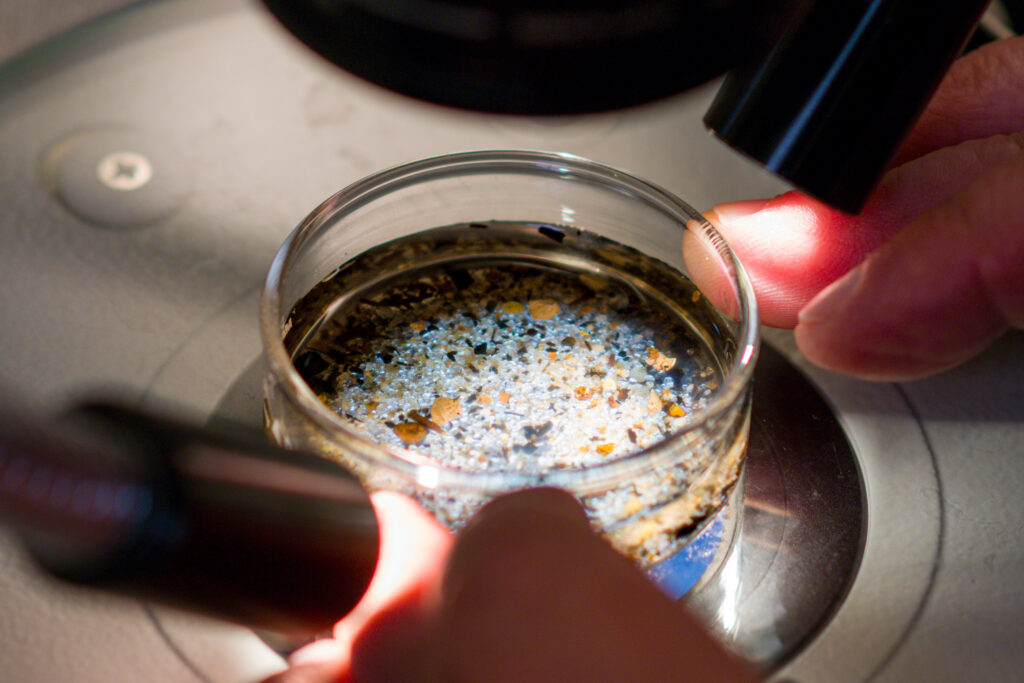
A study released this month in the journal Nature examined several types of microplastics in a laboratory setting. Researchers discovered that when the tiny particles came into contact with water, the water acted as a catalyst, creating free radicals. These unstable molecules are associated with inflammation and disease in the human body.
The researchers noted that microplastics have a much larger surface area relative to their volume compared with larger plastic fragments. This greater surface area creates conditions that allow chemical reactions, such as the formation of free radicals, to occur more readily.
Dr. Leonardo Trasande, a pediatrician who directs the NYU Center for the Investigation of Environmental Hazards, commented on the findings during an interview with producer Aynsley O’Neill. He clarified that “when plastic is inert in the notion of human physiology, it means it doesn’t do anything or interact with the human body.” He added that the new study shows micro‑ and nanoplastics are not inert.
According to Dr. Trasande, the study demonstrated an increase in inflammation caused by these tiny plastic particles. He emphasized that inflammation is a key underlying factor in many medically important conditions, including cardiovascular disease.
Free radicals are generated when microplastics meet water.
Microplastics’ high surface‑area‑to‑volume ratio promotes chemical reactions.
Increased inflammation linked to micro‑ and nanoplastics may affect health outcomes.
The interview was edited for length and clarity, and the study’s results suggest a need to reassess the health risks posed by microplastic exposure.