Nike Billionaire’s Backing Fuels Laika’s $100 Million Stop‑Motion Gamble with “Wildwood”
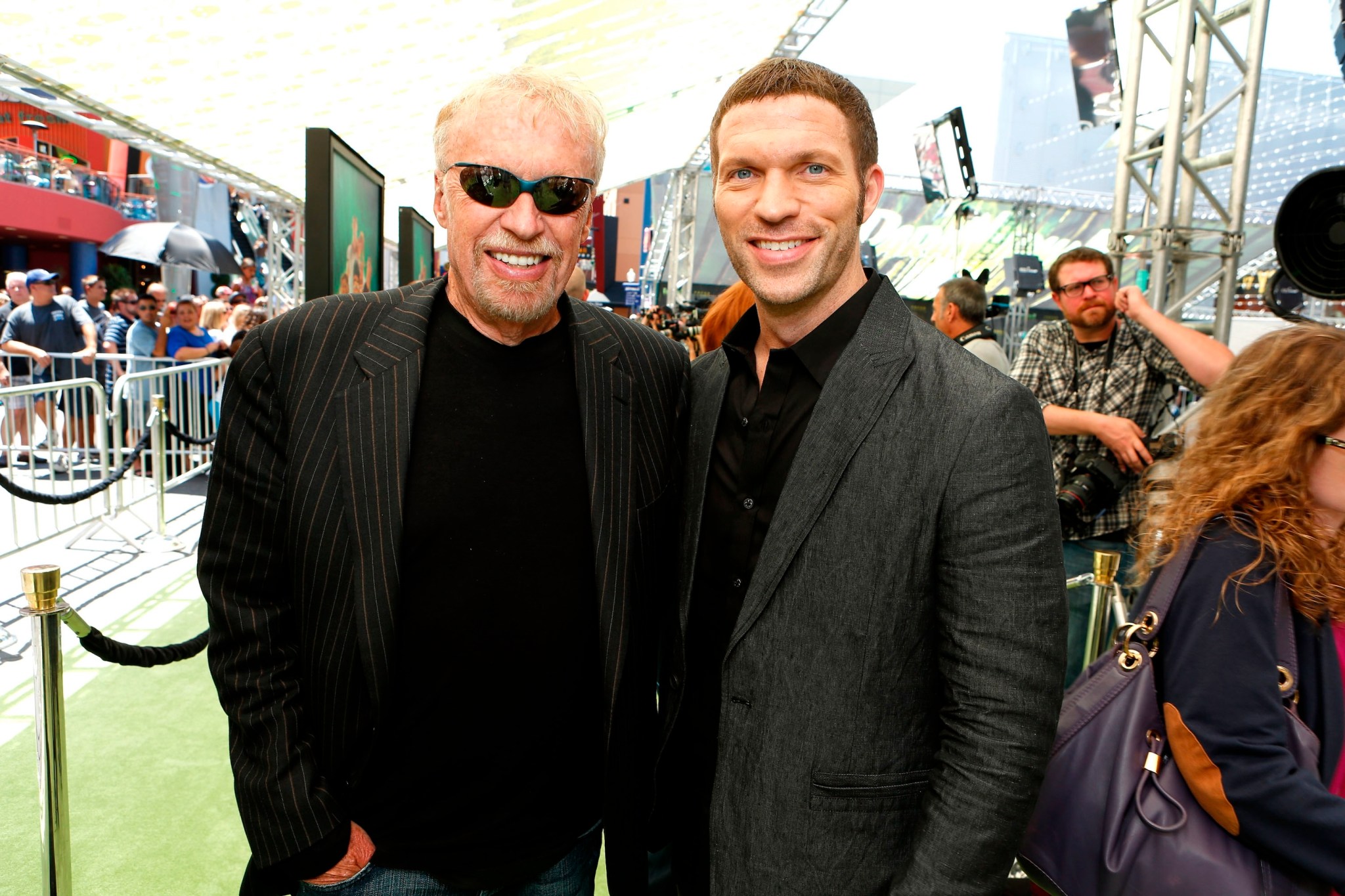
Laika’s latest stop‑motion feature “Wildwood” opens third at the box office, but its $100 million price tag raises questions about profitability.
Box‑office performance versus budget
Wildwood, Laika’s sixth stop‑motion feature, opened on Oct. 23 in third place with roughly $12.3 million domestically, according to the Associated Press. Over Halloween weekend its earnings slipped 39 % to an estimated $7.5 million, bringing the domestic total to $25.9 million. The film again placed third, behind A24’s You Can See Everything and DC Studios’ Clayface.
Globally, Wildwood has reached nearly $36 million across dozens of international markets, per Deadline. By contrast, the film’s production cost has been widely reported at about $100 million, a figure that exceeds Illumination’s spend on Minions & Monsters ($85 million) and DreamWorks’ budget for Forgotten Island ($80 million).
Laika has not disclosed the exact budget, and industry rules of thumb suggest a film needs to gross roughly 2.5 times its production cost to break even after theaters keep about half of ticket revenue and marketing expenses are added. Under that metric, Wildwood remains far from profitability.
Laika’s financial engine: Phil Knight’s backing
The studio’s ability to shoulder such a budget stems from its connection to Nike co‑founder Phil Knight. Knight took a stake in Laika’s predecessor, Will Vinton Studios, in 1998, became majority owner in 2002, and after a leadership change the studio was renamed Laika in 2005. Forbes estimates the Knight family’s wealth at roughly $26 billion, a resource that “lets Laika take creative and business risks like these.”
Travis Knight, Laika’s president, CEO, and director of Wildwood, also serves on Nike’s board (since 2015). The studio operates out of Hillsboro, Oregon, near Nike’s Beaverton headquarters, more than 800 miles from Hollywood.
Creative positioning and distribution
Unlike peers such as Aardman Animations, Laika spun off its commercial division in 2014 to focus exclusively on feature films. The studio’s distribution for Wildwood is handled by Fathom Entertainment, a smaller distributor known for event cinema and rereleases. Fathom also managed Laika’s 2024 Coraline anniversary run, which became its highest‑grossing U.S. release.
Wildwood is rated PG‑13—the first such rating for Laika—citing strong fantasy violence, bloody images, and suicide‑related material. By contrast, Netflix’s Ray Gunn and DreamWorks’ Forgotten Island trimmed content to secure PG ratings.
Industry context and the “anti‑Skydance” narrative
The article frames Laika’s model as a counterpoint to the Skydance‑Warner Bros. Discovery merger, which was backed by Oracle co‑founder Larry Ellison’s $40.4 billion guarantee for his son David Ellison’s studio. While both arrangements involve billionaire family money, Laika’s funding supports original stop‑motion projects rather than franchise blockbusters.
Stop‑motion remains a labor‑intensive, increasingly rare art form. Travis Knight described the 16‑year development of Wildwood—an adaptation of Colin Meloy and Carson Ellis’s novel—as “everything onscreen built and moved by hand.” The stable backing, the article suggests, grants Laika “the rare privilege of creating with less financial pressure.”
Future directions for Laika
Beyond Wildwood, Laika is expanding. It hired former Netflix executive Matt Levin in 2023 to run a live‑action division and is developing its first series, an adaptation of Emily St. John Mandel’s Exit Party, with Emma Stone and Dave McCary’s Fruit Tree attached. Upcoming animation projects include an adaptation of Susanna Clarke’s Piranesi, directed by Travis Knight, and The Night Gardener, based on an idea from Bill Dubuque.
All five of Laika’s previous features earned Oscar nominations for Best Animated Feature. With strong reviews, Wildwood could finally deliver the studio its first win.





