One Year After Typhoon Halong, Kwigillingok Residents Still Await Return Home
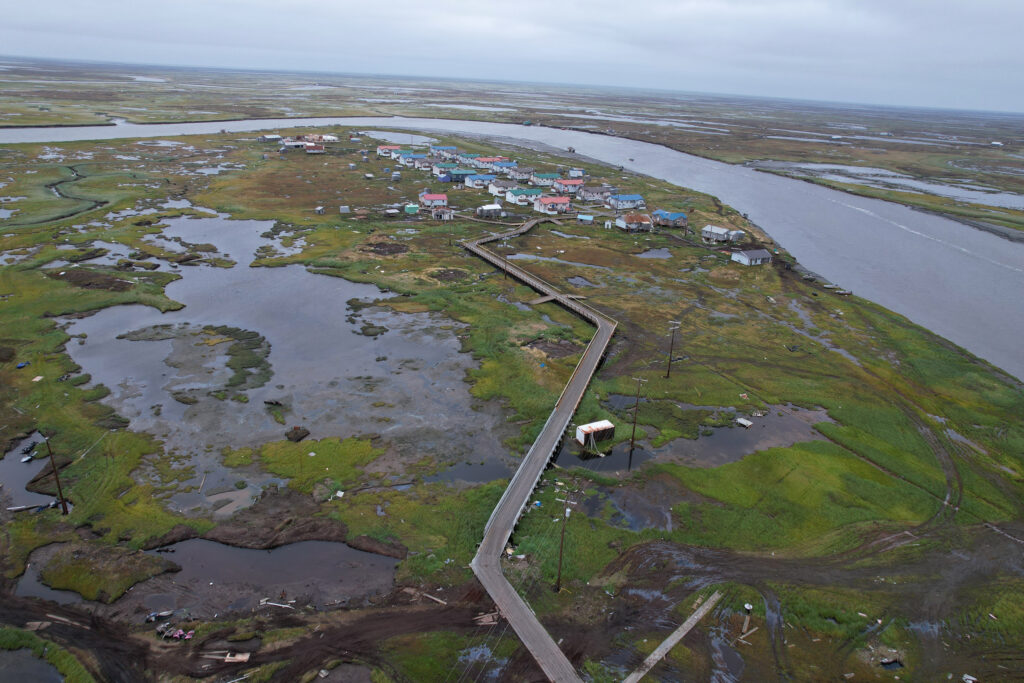
A year after the storm that swept away most of the Yup’ik village, only a handful have returned while the rest remain displaced.
Kwigillingok, a Yup’ik village on the Bering Sea, was devastated in October 2025 when the remnants of Typhoon Halong struck southwestern Alaska.
Impact of the Storm
In the early hours of October 12, 2025, a storm surge driven by southwestern winds and a high tide rose more than 6.3 ft above the normal highest tide line—over twice the previous record. The surge lifted 46 of 99 houses off their foundations, carrying many miles and trapping occupants inside. Boardwalks were ripped away, power lines downed, and vehicles, boats, and freezers full of food were washed out. Even caskets from the local cemetery were rolled by the waves. The event resulted in three fatalities.
One year later, Lucy Martin, the tribal resilience coordinator, remains in Bethel, a regional hub about 70 miles northeast of Kwigillingok. She says, I have no house. All of our tribal leaders have no homes to go to. About 30 people have returned to Kwigillingok, despite extensive damage to housing, boardwalks, plumbing and the community water pipeline that renders the village largely unlivable. The majority of the 361 residents who lived there before the storm are still sheltered in Bethel, Anchorage and several nearby communities under a “no‑go‑home” order.
Recovery Challenges
The recovery effort has been slow. Although the disaster was declared a federal emergency, multiple shutdowns of the U.S. Department of Homeland Security and the Federal Emergency Management Agency have delayed assistance. Funding mechanisms currently in place are not designed to help communities relocate away from hazardous locations.
Looking Ahead
Residents like Martin await clarity on when they can safely return home or relocate to safer ground. The situation underscores the ongoing vulnerability of Alaska Native villages to extreme weather events and the gaps in disaster response and recovery funding.