Senate Vote Looms on Controversial Permitting Reform Bill Amid Growing Environmental Opposition
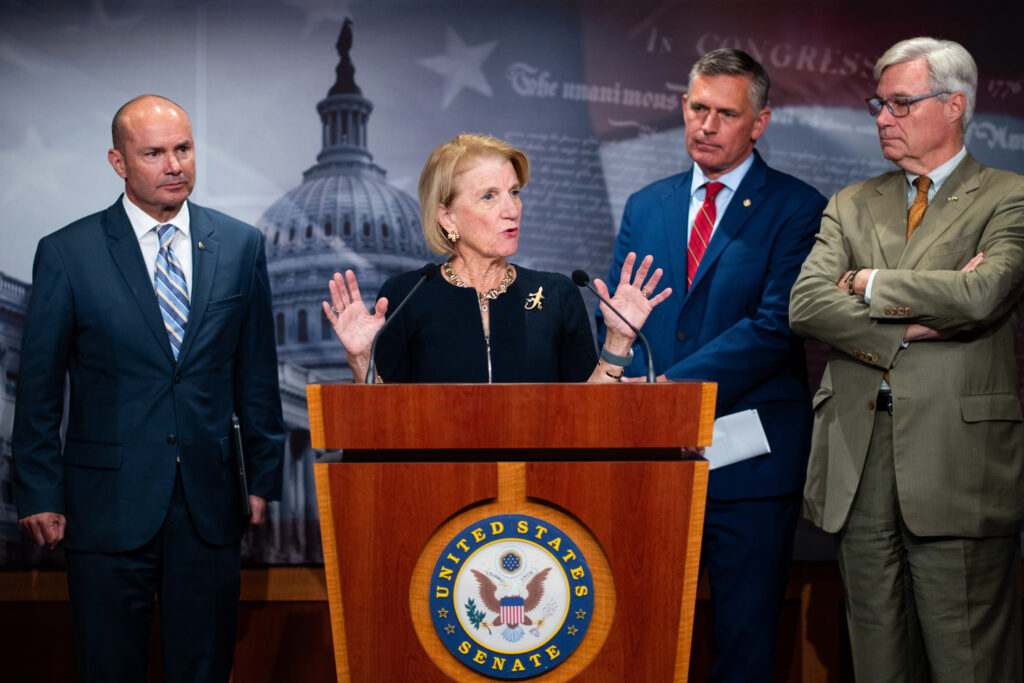
Senate leaders will hold an initial vote on the Bipartisan American Affordability and Jobs Act within two weeks, sparking fresh doubts from environmental groups and a warning from four Democratic senators.
The U.S. Senate is set to take an initial vote on the Bipartisan American Affordability and Jobs Act (BAAJA) in less than two weeks, a step that brings the contentious permitting reform bill into sharper focus.
Projected Benefits from a New Study
A report released by the research nonprofit Resources for the Future projects that the bill’s power‑sector provisions would:
Cut carbon emissions by 1.8 gigatons by the year 2041.
Reduce annual electricity‑system costs by an average of 3.5 percent to 7 percent compared with a scenario without the legislation.
The analysis, however, does not address the bill’s most controversial elements, which involve alterations to several major environmental statutes.
Key Provisions Raising Opposition
Environmental advocates point to changes affecting the:
Clean Water Act
Endangered Species Act
National Environmental Policy Act (NEPA)
National Historic Preservation Act
These amendments are seen as the primary source of criticism, with opponents arguing the bill could speed up fossil‑fuel infrastructure and diminish tools used to challenge projects.
Divided Reactions from Stakeholders
Supporters, including clean‑energy business groups and advocacy organizations, praise the bill for its potential to accelerate timelines for building transmission lines and renewable‑energy projects.
In contrast, leading environmental groups contend the legislation would facilitate the expansion of fossil‑fuel projects and remove existing safeguards.
Strong Language from Environmental Law Leaders
Abigail Dillen, president of the environmental‑law nonprofit Earthjustice, warned that “over the next two years, BAAJA would create more legal runway for this president to make corrupt deals and greenlight harmful projects of all kinds, and it would constrain any future president from repairing the damage.”
Democratic Senators Issue an Ultimatum
On the same day, four Senate Democrats—Tammy Duckworth (IL), Ed Markey (MA), Jeff Merkley (OR) and Ron Wyden (OR)—sent a letter to the bill’s co‑sponsors expressing concern that the Trump administration cannot be trusted to honor promises made during negotiations. The letter states:
Beyond consideration of the actual text, the promise of BAAJA will only succeed if President Trump takes care that it is faithfully executed. The Trump administration’s record gives us no basis to assume that he will.
Implications for the Legislative Process
The growing dissent from environmental groups and the explicit warning from the four Democratic senators threaten the bipartisan compromise that has underpinned the bill’s sponsorship. As the initial vote approaches, the Senate will have to weigh the projected economic and emissions benefits against the unresolved concerns about weakened environmental protections.
With the vote imminent, the outcome of this debate will shape the regulatory landscape for energy projects and signal how forthcoming administrations might navigate the balance between infrastructure development and environmental stewardship.