Small Brainstem Nerve Cells May Keep Blood Pressure Stable Even When Numbers Appear Normal
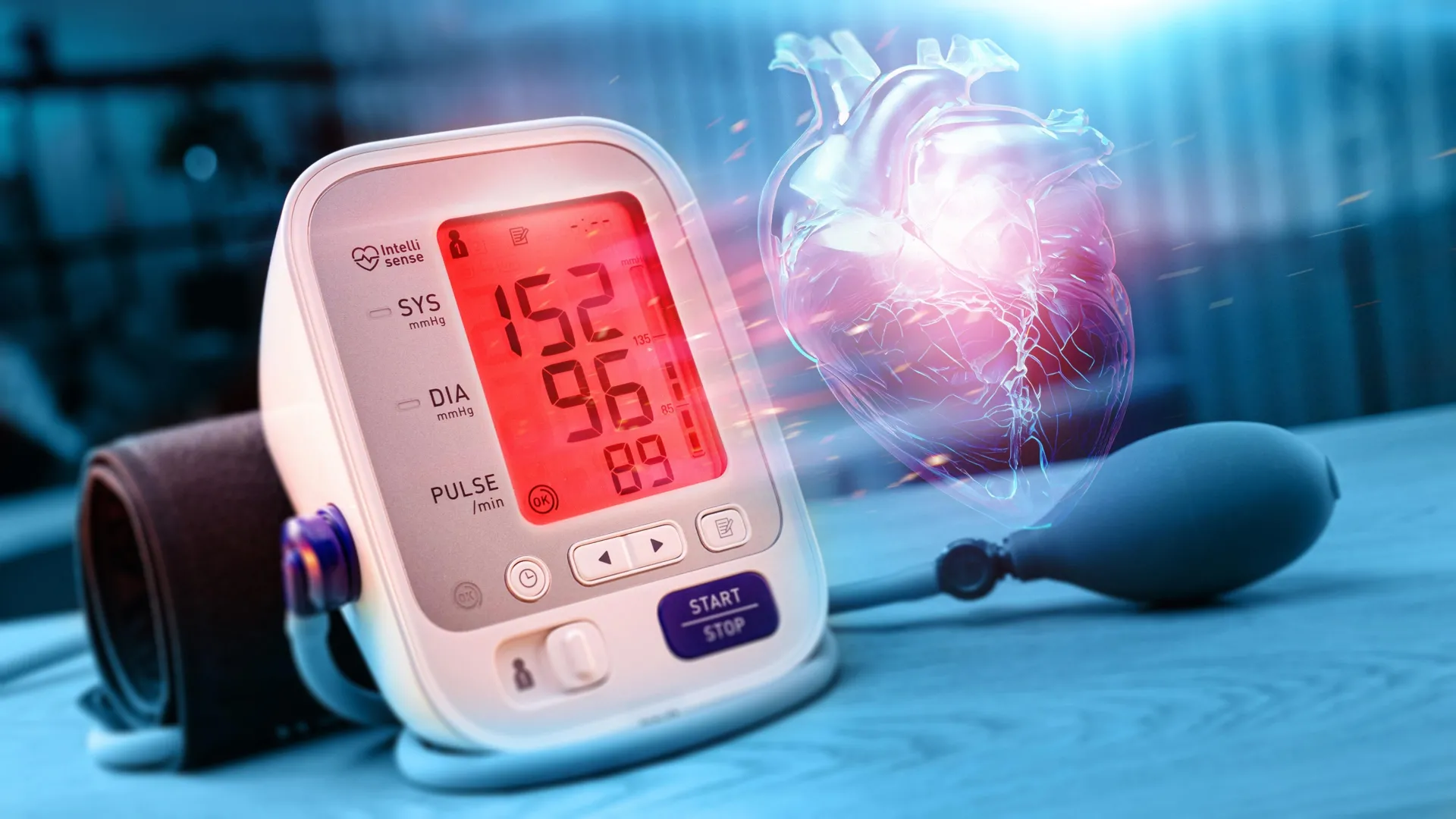
New research shows that loss of a few hundred brainstem nerve cells can cause dangerous blood‑pressure swings despite normal average readings.
Why Blood‑Pressure Swings Matter
Doctors usually look at the average of blood‑pressure readings, but recent evidence suggests that rapid or excessive changes throughout the day may also increase the risk of heart disease, stroke and brain injury, even when the average is within the normal range.
Brainstem Cells That Stabilize Pressure
Scientists at the University of Virginia School of Medicine have identified a small population of nerve cells in the brainstem that appears to limit blood‑pressure swings as people move between everyday activities such as sleeping, waking, standing and exercising.
“What we found is that a loss of just a few hundred nerve cells leads to unstable blood pressure even though the mean blood pressure was normal,” said Stephen Abbott, PhD, the study’s lead investigator.
Link to Neurological Disorders
The same nerve cells have previously been found to be damaged or missing in individuals with multiple system atrophy, a rare, fatal neurological disorder related to Parkinson’s disease that often includes severe difficulty regulating blood pressure.
Potential Broader Impact
The new findings raise the possibility that disruptions involving these brain cells may also contribute to unstable blood pressure in other medical conditions, even when standard measurements show normal average levels. Understanding this mechanism could eventually help researchers develop treatments aimed at reducing harmful fluctuations and protecting against their potential consequences.
Study Details
The research was published in the journal Circulation Research. The author list includes George M.P.R. Souza, Harsha Thakkalapally, Faye E. Berry, Leah F. Wisniewski, Ulrich M. Atongazi, Daniel S. Stornetta, and Stephen Abbott. The team reported no financial interests related to the study.
Funding came from the National Institutes of Health under grant HL148004.
Institutional Context
The discovery aligns with the goals of UVA’s newly established Paul and Diane Manning Institute of Biotechnology, which aims to advance research into complex diseases and accelerate promising laboratory findings toward potential lifesaving treatments.
Materials were provided by the University of Virginia Health System.