Tesla to Use Cybercab‑Derived Inverter Parts in 2026 Model 3
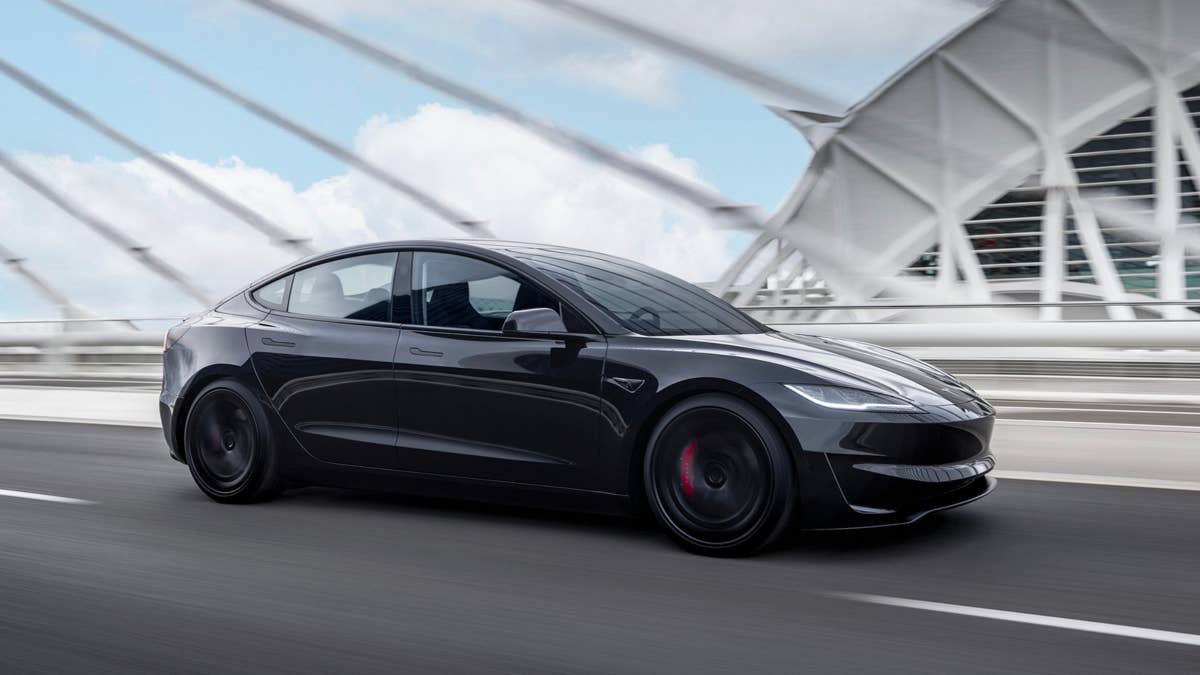
Tesla plans to add a new printed‑circuit‑board assembly and power stage from its Cybercab inverter to the 2026 Model 3.
During a Munro Live factory tour, Nick Verzini, Tesla’s head of drive unit engineering, revealed that a new printed circuit board assembly and power stage will be incorporated into Model 3 production beginning in 2026.
The components come from the inverter Tesla designed for its upcoming Cybercab robotaxi. The inverter converts battery DC power to AC for the motor, influencing both efficiency and cost.
Verzini said the new design contains substantially fewer electronic components than the current Model 3 inverter, though no exact figure was provided, and it is built to accept parts from multiple suppliers.
When asked if the same unit could be used in a Model Y drive unit, he responded, “We kept the entire interface.” Tesla has not announced any changes for the Model Y.
According to reports, the update will not alter efficiency, range, or price figures for the Model 3. The potential benefit lies in a simpler, cheaper‑to‑build architecture with reduced supply‑chain exposure.
The Cybercab’s own specifications aim for at least 6.1 miles per kWh in its 2025 Impact Report, a figure relevant to a vehicle intended to operate continuously.
Not all Cybercab hardware is slated to transfer to passenger cars. The robotaxi uses an 11:1 front‑mounted motor gear ratio, a mechanical oil pump, and motor‑cooling channels housed in aluminium, whereas many Teslas employ a roughly 9:1 ratio and different cooling solutions. These differences have not been confirmed for the Model 3 or Model Y.
The real test will be whether the streamlined inverter delivers measurable gains in reliability, cost, or efficiency once it reaches production.