UK Energy Bills Hit Record Levels in 2026 as Gas Prices and Network Costs Surge
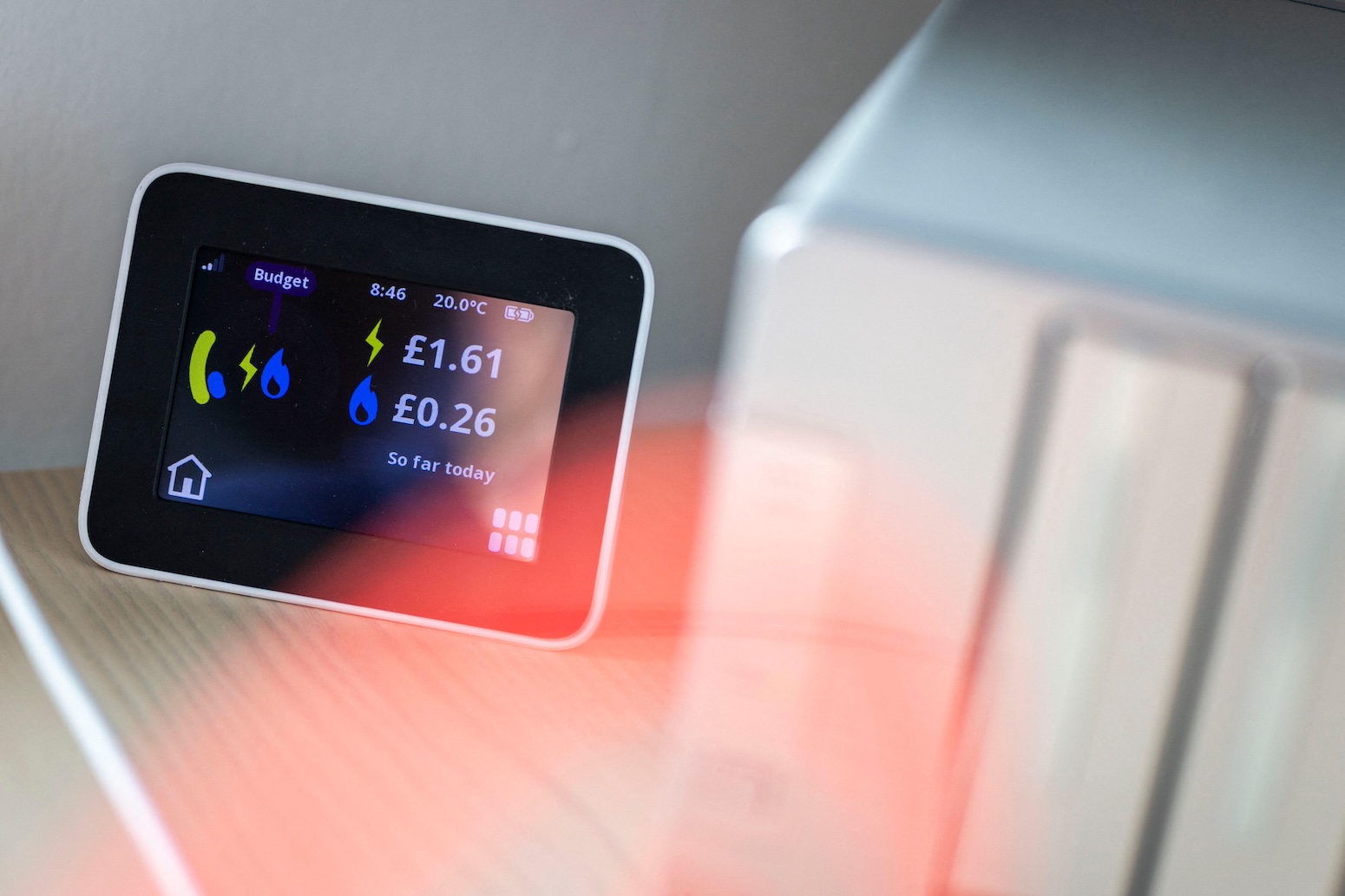
The household energy price cap rose to its highest level in three years in October 2026, driven mainly by soaring gas prices and rising network charges.
What is driving the current spike?
In October 2026 the UK price cap for a typical household reached £1,723 per year, a 47 % rise in real terms since October 2020 and the highest level since 2022. The cap is expected to climb another 25 % in January 2027, pushing annual bills toward £2,200.
Carbon Brief’s analysis of Nesta data shows that wholesale costs for electricity and gas make up 44 % of the current cap. Because the UK uses a marginal pricing system, the cost of electricity is closely tied to gas prices, which have surged amid the Iran war.
Network charges contribute a further 24 % of the bill, while operating costs add 17 % and policy costs only 7 %.
Why wholesale costs dominate
Since 2020, a surge in wholesale prices driven by expensive gas has been responsible for more than 80 % of the rise in dual‑fuel household energy bills, according to Nesta analysis cited by Carbon Brief. This contrasts with media narratives that emphasise non‑commodity costs.
Rising network charges
At the end of 2025 Ofgem approved £29 bn of upfront investment for the gas and electricity transmission networks and the gas distribution network, part of a broader £90 bn package extending to 2031. As a result, network charges for a typical dual‑fuel household are projected to increase from £222 to £330 per year between 2025 and 2030 – a roughly 50 % rise.
Ofgem’s Tim Jarvis described the investment as a “once‑in‑a‑generation renewal of our energy infrastructure”. Ofgem estimates that three‑fifths of the £108 per‑household annual rise in network charges to 2030 stems from “business‑as‑usual” costs such as maintenance, with only £30 linked to expanding the electricity transmission grid.
The Energy Networks Association similarly notes that up to 80 % of electricity‑grid investment is needed to maintain existing assets, the remainder for expansion.
Constraint costs and grid bottlene‑cks
Constraint costs arise when wind farms are curtailed because the network cannot transmit their power, forcing gas plants to run instead. These costs sit within network balancing charges and now represent about £35, or 4 %, of a typical annual electricity bill. The rise reflects a 2010s policy of “connect and manage” that delayed network upgrades.
RenewableUK’s Steven Agnew cites a National Audit Office review, arguing that the current “crunch” results from past governmental inaction and that investment is critical to avoid larger bill increases as clean generation grows.
Projections from the National Energy System Operator (Neso) suggest balancing costs could rise to £8 bn by 2030 if grid expansion lags, though the central forecast is £3‑4 bn with options to limit the increase.
Operating costs and bad‑debt charges
Operating costs have risen partly due to “bad debt” – unpaid bills recovered through a charge on all households. Carbon Brief’s analysis of Ofgem data shows this adds roughly £60 to a typical bill, an increase of about £40 since 2020 and accounting for more than half of the rise in operating costs. Energy UK estimates that rising debt could add another £10‑15 to bills by next year.
Government response
The Labour government, elected in 2024, pledged to cut household energy bills by £300 per year by 2030 relative to late‑2023 levels. In the 2025 budget it closed the Energy Company Obligation (ECO) efficiency scheme and moved 75 % of the Renewables Obligation support for legacy renewables into general taxation, aiming to reduce policy‑related costs.
Policy costs currently make up only 7 % of the price cap, indicating limited scope for further reductions through this component alone.
Looking ahead
While wholesale gas prices remain the dominant driver of high bills, the upcoming rise in network charges and operating costs will also shape consumer expenses. The extent to which grid investment can curb constraint costs, and the effectiveness of government measures to lower policy costs, will determine whether the Labour target of a £300 annual reduction is achievable.
Understanding the balance between commodity prices, network investment and policy choices is essential for navigating the UK’s energy‑cost future.