UNFPA warns that thousands of pregnant women in Taiz lack essential care
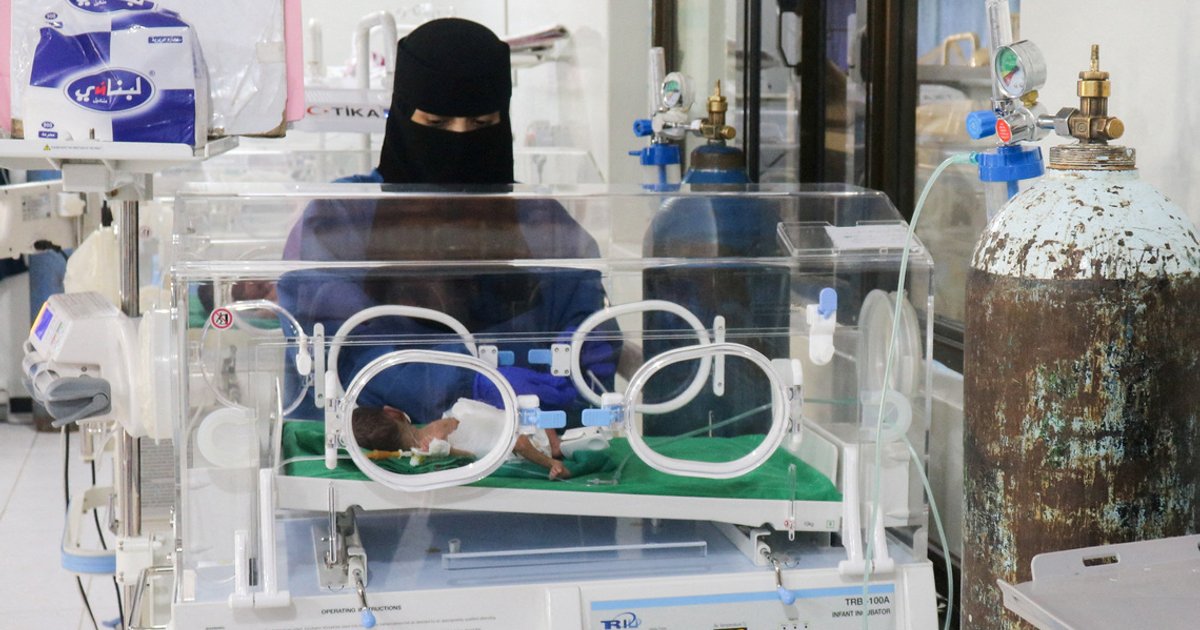
Fighting around Taiz has left more than 13,000 pregnant women without vital health services, raising the risk of miscarriages and unsafe deliveries.
Humanitarian access blocked in Taiz
Fighting between the Saudi‑backed government and the Iran‑aligned Houthi movement has isolated the southwestern Yemeni city of Taiz for about a month. Key routes such as the Taiz‑Aden corridor are blocked by Houthi forces, stopping humanitarian supplies and preventing civilians from leaving.
Impact on pregnant women
The United Nations Population Fund (UNFPA) said more than 13,000 pregnant women in and around Taiz lack essential health care, a situation that is leading to an increase in miscarriages and unsafe deliveries, according to midwives supported by the agency.
UNFPA expects roughly 1,500 obstetric emergencies among 6,400 displaced pregnant women because of physical and psychological stress.
Only 5 of 27 designated emergency maternal and neonatal health facilities remain partially functional.
Essential health services have been cut off for about 147,000 women and girls of child‑bearing age.
Maternal care at the Yemeni‑Swedish Motherhood and Childhood Hospital
At Taiz’s main maternal care centre, daily births have dropped from around 10 to 5. Most incubators are out of use because of fuel shortages, and insecurity, shelling and high fuel prices are preventing many women and staff from reaching the hospital. UNFPA warned that the hospital could close if access restrictions are not lifted soon.
Food insecurity compounding the crisis
Since early October, the UN World Food Programme reports that more than 800,000 people in Taiz and surrounding areas have been cut off from food assistance. Pregnant women are reported to be surviving on little more than tea, bread or rice.
Broader maternal mortality context
Yemen already has the highest maternal mortality rate in the Arab region, with an estimated three women dying each day from childbirth complications before the conflict intensified this summer, UNFPA’s Yemen representative Francesco Galtieri told reporters.
Galtieri emphasized that “no woman should have to risk her life simply because she is giving birth to a new life in a war zone.”