Viking Ships Embrace “New Nordic” Design to Turn Cruise Lounges into Residential Spaces
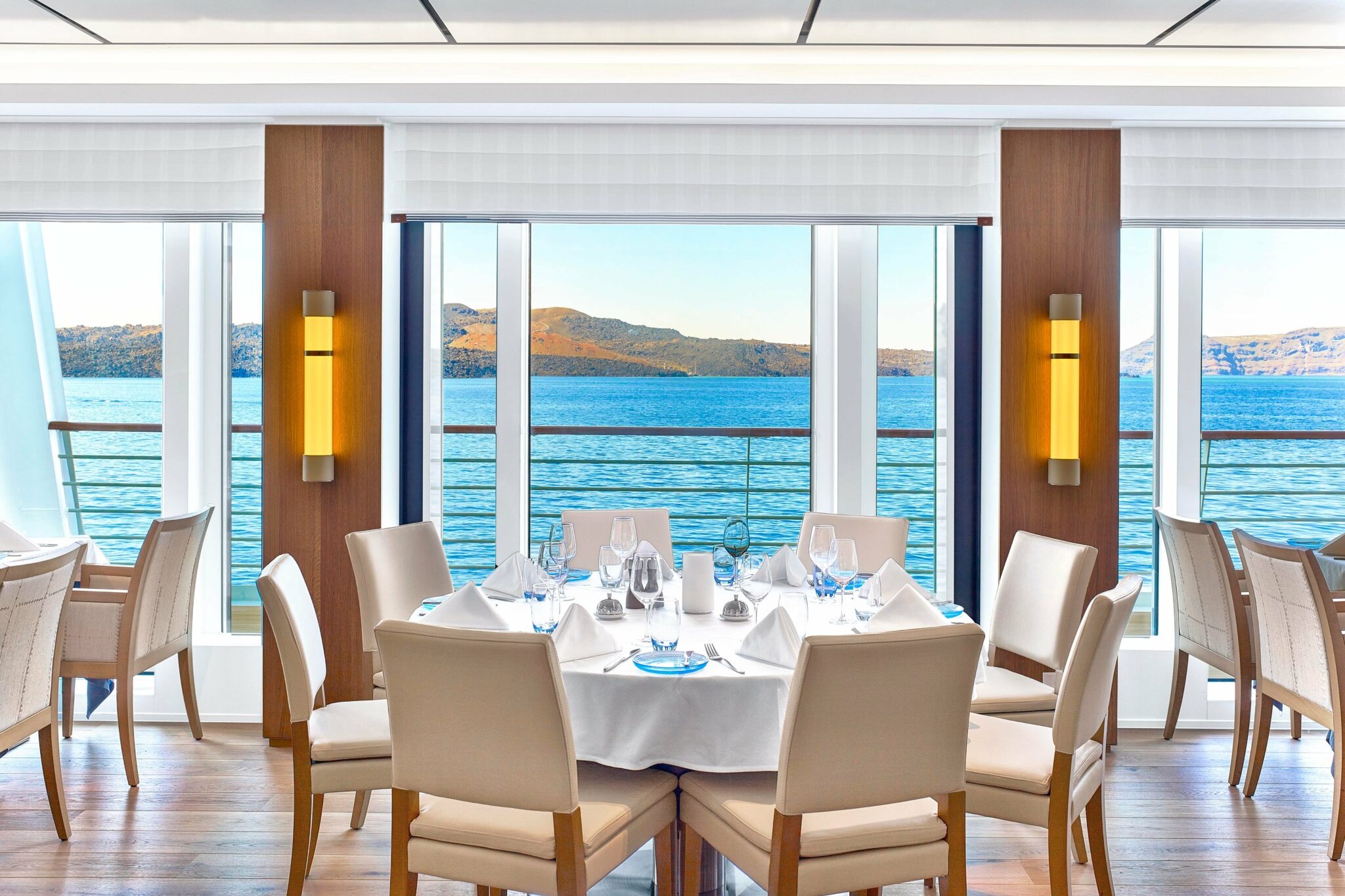
Viking’s cruise fleet adopts a contemporary Scandinavian aesthetic, blending natural materials and exploration motifs to create ship interiors that feel more like homes than traditional liners.
Scandinavian Roots on the High Seas
Viking has placed contemporary Scandinavian design at the core of its fleet’s visual language. The company’s ships aim to feel less like conventional cruise vessels and more like thoughtfully arranged residential interiors, drawing on the light‑filled spaces, pale woods, and clean lines that define the region’s aesthetic.
From “New Nordic” to Everyday Comfort
Richard Riveire, founding principal of Rottet Studio and designer of Viking’s river, ocean and expedition ships, explains that while the term “new Nordic” is not used formally, the approach updates traditional Scandinavian principles for modern travel. He notes a shift from strict minimalism toward spaces that are “welcoming, thoughtful, and enduring.”
Five Guiding Principles
Riveire’s team organized the interiors around five concepts: residential modernism, nature, craft, heritage, and exploration. The first provides a restrained architectural base; the remaining four are expressed through fabrics, upholstery, rugs and furniture that add warmth and texture. “These tactile details make each space feel inviting and personal, while preserving the simplicity that is so central to Scandinavian design,” he says.
Materials and Craftsmanship
Across public areas and staterooms, light woods, natural woven textiles, stone and leather create a more intimate atmosphere. Craftsmanship is highlighted through woven leather lounge chairs, intricate wood lattice ceilings, and sculptural wood wall accents. Riveire emphasizes that “craftsmanship is fundamental because it gives a space a sense of humanity and authenticity.”
Heritage and Exploration Themes
Nordic heritage appears in regional artwork, including pieces by Norwegian painter Edvard Munch, and in textiles such as a traditional Norwegian Marius blanket. Decorative objects feature designs by Dutch textile designer Hella Jongerius and Finnish architect Alvar Aalto. Exploration motifs—maps, globes, libraries and constellations—are integrated through built‑in bookcases, atlases and other references, reinforcing the ship’s travel focus.
Nature‑Inspired Public Spaces
Public lounges showcase expansive glazing that floods rooms with natural light, while a sculptural wood lattice ceiling adds organic form. The Wintergarden lounge, for example, uses a wood lattice ceiling beneath large windows to bring daylight and nature indoors. In the spa, dramatic glass walls surround a hydrotherapy pool, complemented by natural stone, driftwood and wood loungers, creating a serene retreat that extends the Nordic design philosophy.
Sensory Details of the Nordic Landscape
Design elements echo the birch‑filled Nordic landscape: driftwood, lichen, moss, birch branches in planters, and floor‑to‑ceiling forest wallpaper appear throughout. Public bathrooms play soft bird chirps, and the spa includes a snow grotto, cold plunge and thalassotherapy pool that reference Nordic bathing traditions. Slate, stone and glass maintain the spa’s restrained material palette.
Conclusion
By anchoring its interiors in a blend of residential modernism, natural materials, handcrafted details and cultural references, Viking seeks to offer passengers a cruise experience that feels both distinctly Scandinavian and comfortably lived‑in, turning the high‑seas journey into an extension of Nordic home life.