Volcanic Vines: Hardship, Tension, and the Wines They Birth
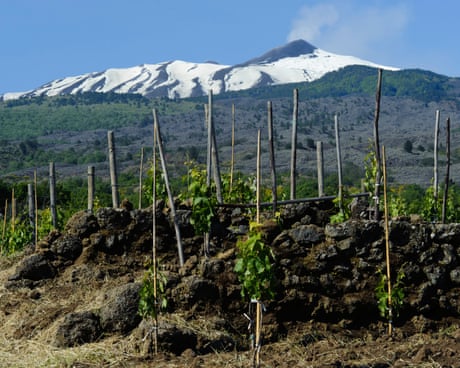
Wines from volcanic soils endure rocky conditions, delivering a distinctive sense of place and tension.
What Makes a Wine “Volcanic”?
“Volcanic wine” is less a style than a geological label, encompassing soils of ash, basalt, obsidian, pumice and tuff. These substrates interact with climate, altitude, water availability, grape variety and farming practices to produce wines that convey a strong sense of place. A deep, rich nerello mascalese from Mount Etna’s north side, for example, feels very different from a light, leathery listán negro from Tenerife, yet both share a certain indefinable quality.
The Hard‑Earned Tension
Importer Nic Rizzi of Modal Wines says the common thread is “extra tension.” He notes that volcanic landscapes impose demanding conditions: Etna’s vines must push roots through thin, stony lava and ash; Santorini’s vines cling to loose pumice, ash and volcanic sand while battling scarce rainfall and fierce winds; the Canary Islands host vines in deep layers of black ash. These hardships translate into wines that are “deeply complex – saline, herbal, savoury and mineral,” according to Rizzi.
Case Study: La Palma’s Black Ash
Rizzi imports wines made by Victoria Torres Pecis from La Palma in the Canaries, a region he describes as having “a majestic and wild energy.” The vineyards sit above the cloud layer at 1,200 m, on black ash soils, with ancient vines trained low to the ground to resist high winds. Farming is labor‑intensive, with heatwaves, drought and even a 2021 volcanic eruption occurring during harvest. “It takes a certain kind of person to put themselves through that pain and graft,” Rizzi says, adding that the struggle “comes through in the wine.” His pick, Torres’ Las Machuqueras, is praised as a “unicorn wine that sings deliciously of struggle.”
Selected Volcanic Wines
M&S Etna Rosato – £14, 12%: A mineral rosé from high, lava‑terraced vineyards, versatile with food.
Bodega Volcanes Carménère 2024 – £12.50, 14%: An energetic autumn red from one of Chile’s 3,000 volcanoes, offering dark fruit and umami.
De Falco Fiordilava Falanghina del Vesuvio 2024 – £16, 13%: A softly mineral falanghina from Vesuvius slopes, despite its “flower of lava” name.
Rampazzi Bianco Andrea Occhipinti 2025 – £23.50, 12%: A savoury, subtly smoky Tuscan wine from above Europe’s oldest volcanic lake.
Cave Verdier‑Logel Volcanique Gamay Rouge 2024 – £20, 13.5%: Juicy and peppery, this Loire gamay hails from volcanic basalt soils of the Massif Central foothills.
Victoria Torres Pecis Las Machuqueras 2016/19 – £55, 12.5%: A pricey, deeply textured and salty wine born of black ash soils, very old vines, harsh conditions and tiny yields.
Conclusion
Volcanic wines may not fit neatly into a single flavor profile, but they consistently deliver a hard‑won tension and a vivid expression of their rugged origins, rewarding those who appreciate a story as much as the sip.