Volunteers Mobilize in Arizona to Counter Election Denialism
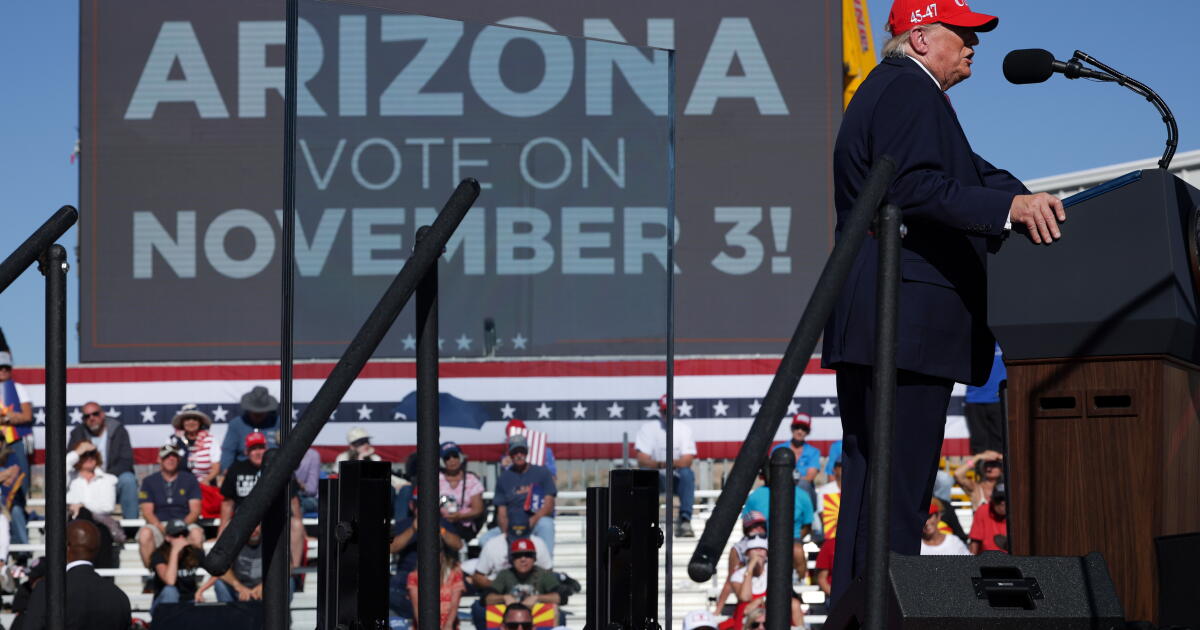
Faith‑based volunteers are training as poll “peacekeepers” amid heightened worries about ballot integrity in Arizona.
Grassroots Training in Chandler
In a church gymnasium in Chandler, volunteers gathered around tables draped in red, white and blue while Medina Moore briefed them on how to respond if federal agents appear at polling places. She instructed participants to call a hotline staffed by attorneys, record video evidence, and withdraw from any situation that becomes “intense.”
Moore, a voting‑rights organizer for the Arizona Faith Network, said the session was one of her final poll‑monitor trainings in the Phoenix area before Election Day. She has recruited about 200 volunteers from local faith groups to greet voters, answer questions and watch for problems at voting sites.
“It feels very urgent this year,” Moore said, noting the challenge of “information overload” and the need to help voters distinguish truth from falsehood.
National Volunteer Surge
Across the country, nonpartisan groups are preparing ordinary citizens to protect the ballot. Parents are learning to monitor polls, law students are staffing legal hotlines, veterans are hosting voting events, and business owners are signing pledges to support local election officials.
The Election Protection coalition reports that more than 21,000 people have been trained as nonpartisan poll monitors. Additional volunteers are being mobilized through other nonprofit and partisan initiatives.
These efforts are expected to be matched by the Justice Department’s largest‑ever monitoring program, alongside a sizable presence from Republican‑aligned observer groups.
Why the Push?
Organizers say the surge is a response to declining public confidence in the electoral process. An AP‑NORC poll cited in the source found that just under half of American voters believe their midterm ballots will be counted accurately.
Rebekah Caruthers, president of the Fair Elections Center, explained that occasional or first‑time voters often wonder, “If I vote, will my vote count?” She argues that the best remedy is for as many people as possible to turn out and exercise their right.
Federal and Political Context
Since returning to office, former President Trump has repeatedly cast doubt on U.S. elections, urging vigilance against “voter fraud.” He recently offered a $1 million reward for tips that lead to a conviction for fraud, adding to a series of incentives aimed at exposing alleged irregularities.
Meanwhile, the Justice Department has taken several actions that underscore the heightened tension: it sued California, arrested residents, threatened to block certification of Alaska’s Senate results, and began notifying counties of plans to send federal monitors to polling places nationwide.
These developments have spurred both left‑leaning and right‑leaning groups to expand their observation programs, creating an unprecedented level of on‑the‑ground scrutiny for the upcoming elections.
Looking Ahead
Moore’s “peacekeepers” will join the broader network of volunteers on Election Day, aiming to reassure voters, document any irregularities, and ensure that the democratic process proceeds smoothly despite the surrounding rhetoric and legal maneuvers.
As the nation watches, the combined effort of thousands of volunteers, legal teams and federal monitors may become the defining feature of this election cycle.