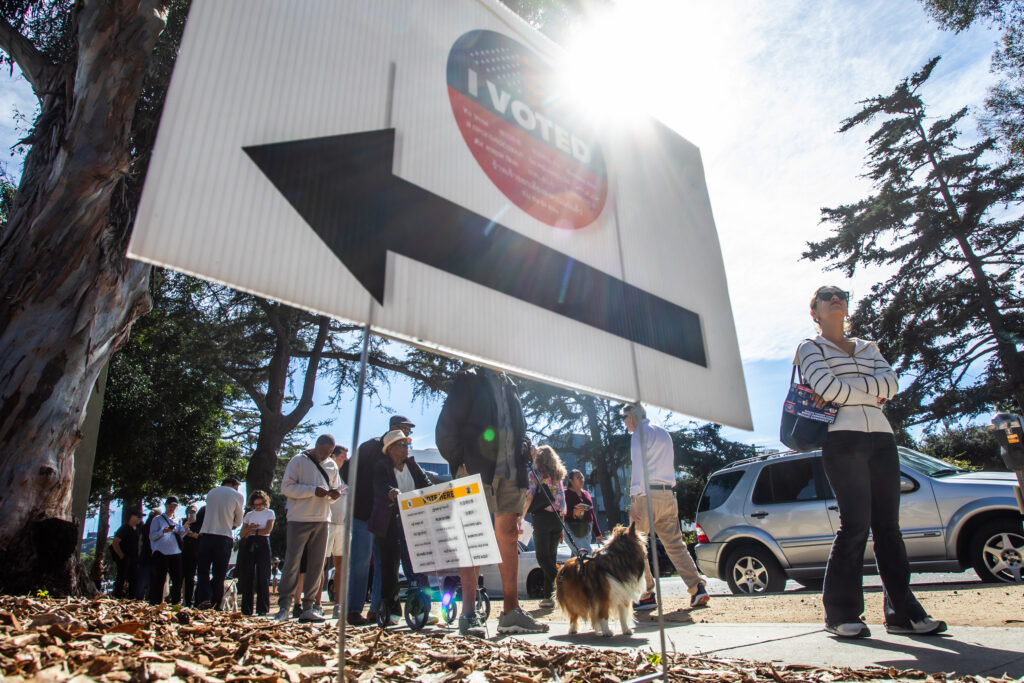
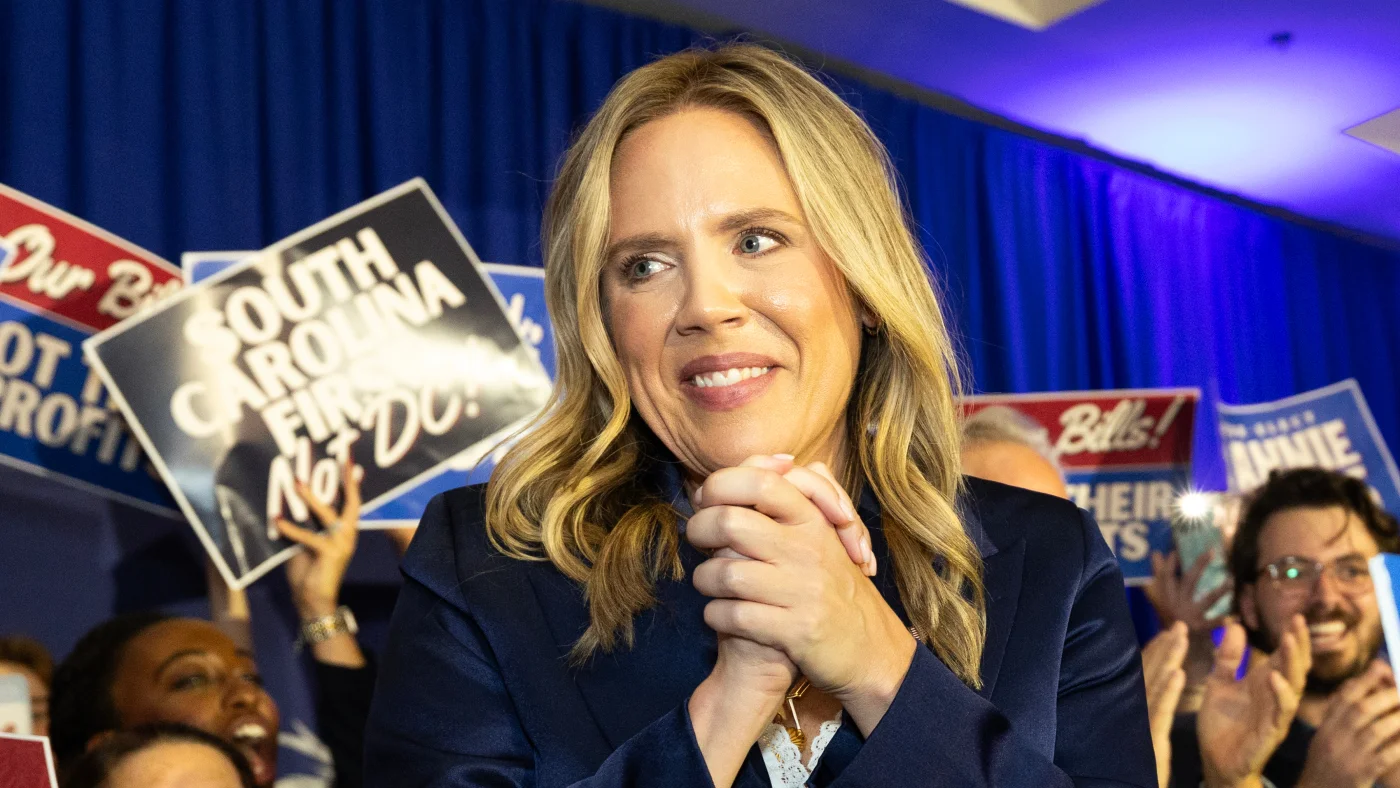
Voters Decide on 146 Statewide Ballot Measures, From Abortion to AI Data Centers
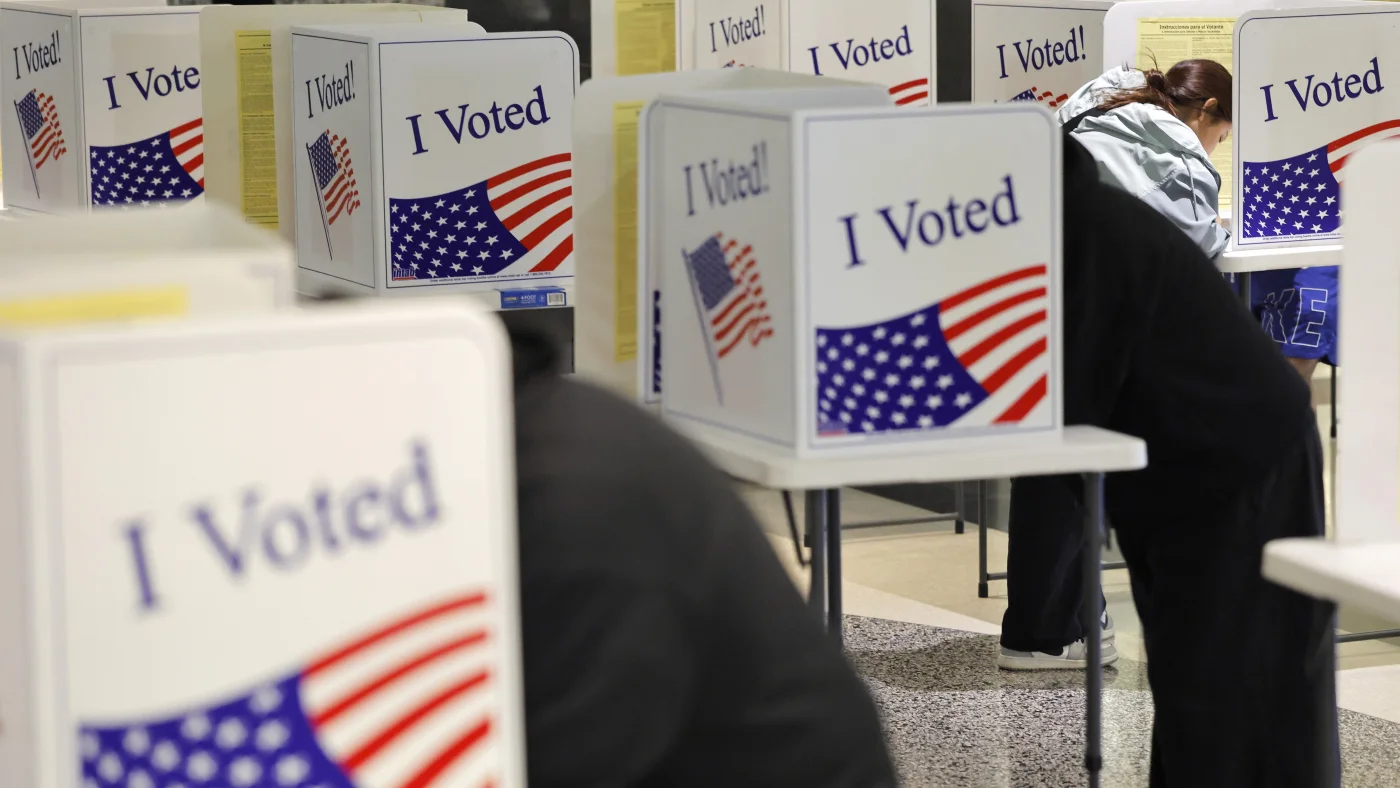
Midterm voters in 39 states and territories cast ballots on a wide array of measures covering reproductive rights, election rules, taxes, LGBTQ protections, gun policies and data‑center restrictions.
Abortion rights on the ballot
Three states moved to preserve abortion access as voters approved constitutional measures in Nevada and Virginia and rejected a ban‑expansion amendment in Missouri. Nevada’s amendment enshrines abortion up to viability for the second consecutive election, while Virginia’s new “fundamental right to reproductive freedom” covers first‑trimester abortions, contraception, fertility and postpartum care. In Missouri, voters turned down a Republican‑led amendment that would have tightened the state’s already strict ban.
Idaho, in contrast, voted to keep its 2022 abortion ban in place.
Election‑law changes
Voters in several states considered reforms to voting procedures. Early results left Alaska and Arizona’s broader proposals uncalled, but Nevada, North Carolina and Ohio passed measures tightening voter‑ID requirements, whereas California rejected a similar effort.
Measures affirming that U.S. citizenship is required to vote passed in Alaska, Arkansas, Kansas, South Dakota and West Virginia.
Redistricting also featured prominently. Missouri rejected a Republican‑friendly congressional map, while Maryland approved a redistricting amendment that could lead to a Democrat‑leaning map in 2028. Virginia voters approved automatic restoration of voting rights for felons who have completed their sentences.
LGBTQ‑related measures
Virginia’s constitutional amendment repealed its ban on same‑sex marriage and added language confirming recognition of marriage regardless of sex, gender or race, a safeguard against potential future Supreme Court reversals. Colorado and California enacted similar measures in 2024.
Vermont overwhelmingly approved an amendment guaranteeing equal protection regardless of race, ethnicity, sex, religion, disability, sexual orientation, gender identity, gender expression, or national origin.
Colorado passed restrictions on transgender youths’ participation in school sports and access to gender‑affirming care. Arizona approved a proposal extending facility‑use restrictions based on sex assigned at birth to schools, athletic associations and recreational groups.
Tax and spending initiatives
Florida voters overwhelmingly approved a property‑tax cut for homeowners, despite criticism that it could strip billions from local services. Tennessee passed a constitutional amendment barring a statewide property tax, which has not been levied since 1949. North Carolina capped personal income tax at 3.5%, and Arizona prohibited grocery‑tax increases until July 2027.
California’s proposed one‑off 5% tax on individuals with over $1 billion in assets, earmarked for health care, remained too close to call. Washington’s early results suggested voters preferred to keep a pending income tax on households earning more than $1 million, scheduled for 2028.
Gun‑policy contrasts
Massachusetts voters chose to retain a 2024 law that tightens firearm regulations, including serial‑number requirements for “ghost guns,” an expanded definition of “assault‑style firearm” and broader red‑flag provisions.
Idaho’s ballot measure, unrelated to regulation, asked voters to select an official state gun from six models; the Winchester Model 1873 leads in the poll, though legislative action would still be required.
Data‑center and AI facility votes
At least 38 jurisdictions voted on data‑center limits, with California, Florida, Illinois, Kansas, Maine, Nevada, New Jersey, North Dakota, Ohio and Wisconsin adopting restrictions. Twelve localities capped data‑center size, while six banned new construction entirely.
Harwood, North Dakota, was the sole community to reject restrictions, with 75% opposing limits on industrial projects, including data centers.
Ohio saw 21 measures referencing data centers; Trenton voted to ban facilities over 25 megawatts, Hubbard banned any new data‑center construction, and other voters rejected rezoning for light‑industrial use. Candidates collectively spent up to $40 million on ads about data centers, reflecting public concern—77% of Americans worry about electricity cost impacts, according to a June Reuters/Ipsos poll.
Other notable measures
Alabama voters approved two education‑related measures: one requiring local school boards to adopt policies directing public K‑12 schools to recite the Pledge of Allegiance, and a separate measure (text truncated in source).
Overall, voters in 39 states, Washington, D.C. and the Northern Mariana Islands weighed 146 statewide ballot measures covering a spectrum from taxes and transgender rights to traffic cameras and AI infrastructure.