Hubble and Webb Team Up to Reveal Unexpected Traits of Distant Tiny Worlds
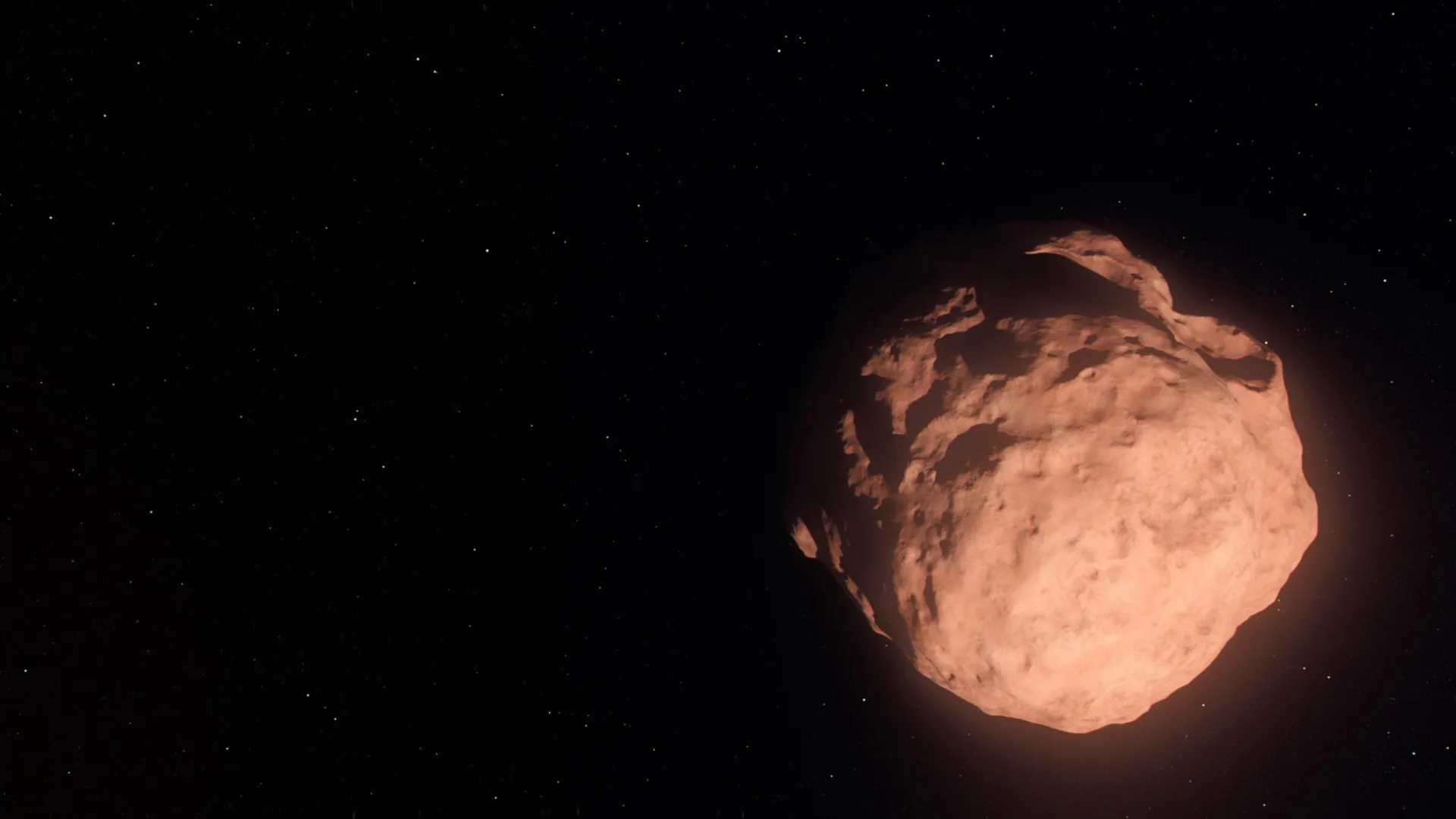
A joint Hubble‑Webb survey has identified 27 new trans‑Neptunian objects and found they look more like their larger cousins than theory predicted.
Joint Hubble‑Webb Survey Breaks New Ground
For the first time astronomers have used NASA’s Hubble and James Webb Space Telescope together to study the faintest members of the solar system beyond Neptune. The coordinated effort focused on a single patch of sky, with Hubble recording visible light and Webb capturing infrared signatures.
From this deep survey researchers catalogued 27 previously unknown trans‑Neptunian objects (TNOs), some of the smallest and dimmest bodies ever detected past Neptune’s orbit.
Fewer Small Objects, Same Colors
Analysis of the new sample revealed an unexpected shortfall: the number of tiny TNOs is lower than several formation models had anticipated. More striking, the colors of these diminutive objects closely match those of much larger TNOs occupying the same distant regions.
Because an object’s color acts like a chemical fingerprint, the similarity hints that the small bodies share surface compositions with their bigger siblings.
Cold vs. Hot Populations
The team examined two orbital families. “Cold” TNOs follow near‑circular paths close to the solar system’s main plane, suggesting they have stayed near their birthplaces. “Hot” TNOs have elongated, inclined orbits, a legacy of early scattering by the giant planets Uranus and Neptune.
Despite these divergent dynamical histories, both groups displayed the same broad color relationships across size ranges.
Implications for Solar System History
Prevailing thinking held that tiny TNOs would bear the scars of countless collisions over billions of years, exposing fresh material and altering surface hues. The new observations, however, show that even the smallest bodies retain the color signatures of larger objects, implying that collisional resurfacing may have been far less extensive than assumed.
These icy remnants therefore act as time capsules, preserving the chemical makeup of the solar system’s earliest building blocks—planetesimals that later coalesced into planets.
Study Details
The findings appear in two papers published in The Astronomical Journal. Both studies were led by PhD candidates at the University of Victoria, Canada, under the guidance of the National Research Council of Canada, and collaborators at Northern Arizona University in Flagstaff.
By merging Hubble’s visible‑light data with Webb’s infrared view, the researchers could estimate object sizes, infer surface composition from color, and refine orbital parameters.
While the survey’s depth pushes the limits of current instrumentation, the results raise fresh questions about the collisional environment of the outer solar system and the durability of primordial material over cosmic timescales.