October Siberian Snow No Longer a Reliable Winter Forecast, New Study Shows
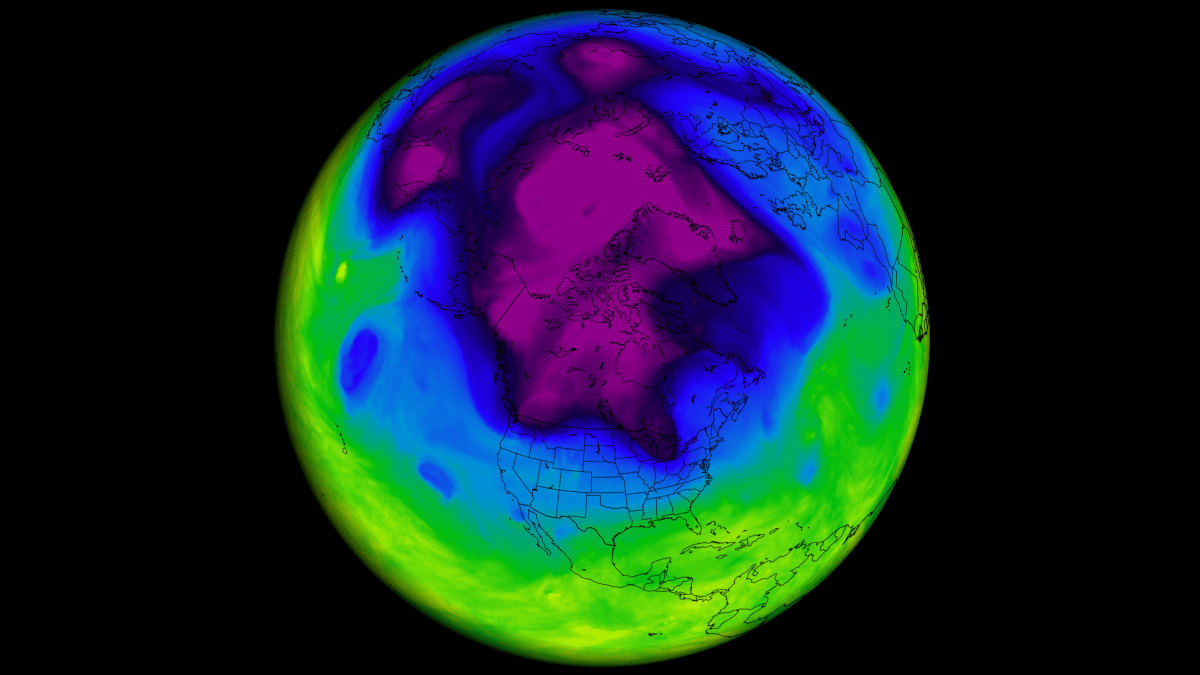
A 47‑year analysis finds the once‑popular link between fast October snow in Siberia and cold winters has faded.
Every autumn, weather enthusiasts ask whether a quick spread of snow across Siberia signals a cold, snowy winter for the United States, Canada, and Europe. The question stems from a 2011 scientific paper that found a strong correlation between the speed of October snow cover expansion over Eurasia and the following winter’s Arctic Oscillation (AO) index.
What the Original Theory Said
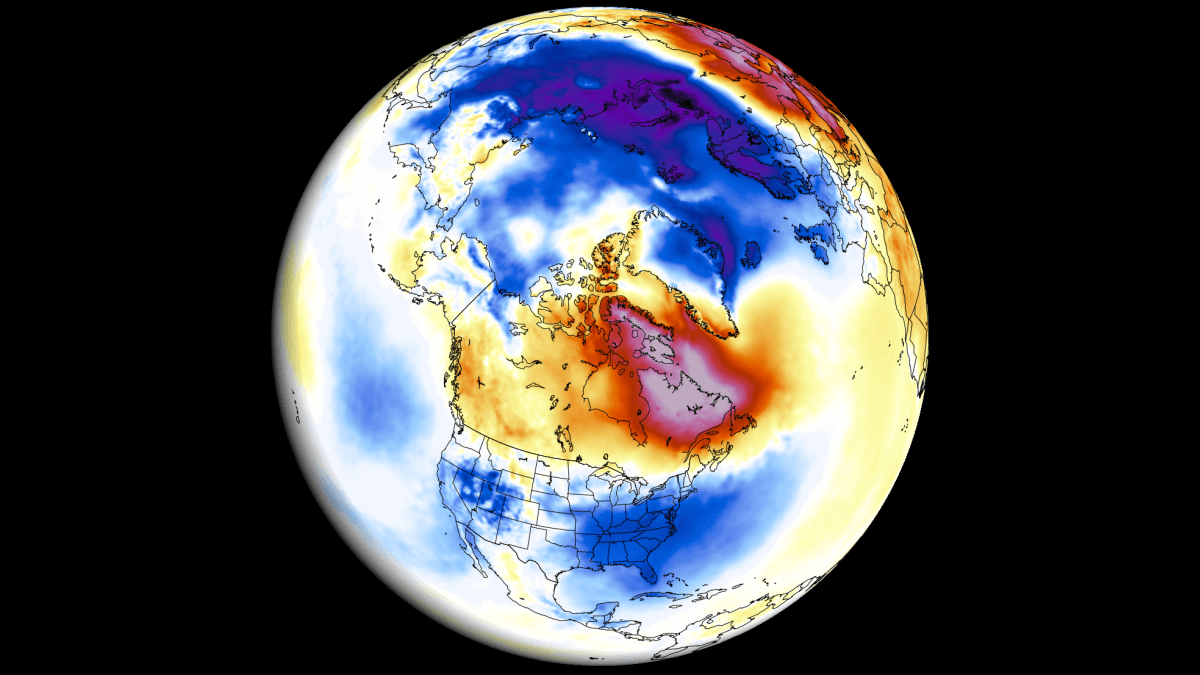
Researchers Judah Cohen and Justin Jones measured how fast snow advanced in October and argued that rapid snow cooling the ground would strengthen the Siberian high‑pressure system. That high pushes extra energy upward to the stratosphere, where it can weaken the Polar Vortex. A weakened vortex allows cold Arctic air to spill south, producing a negative AO and colder conditions in the eastern United States, eastern Canada, and northern Europe.
Testing the Signal with 47 Winters
To see if the signal still works, the author examined 47 winters from 1979 to 2025, using four independent snow datasets—including the satellite data from the original study. The analysis confirmed that for the original 1997‑2010 window the link between October snow and the winter AO remained strong, validating the 2011 findings.
How the Relationship Has Changed
When the data are broken into rolling 15‑year windows, the strength of the snow‑winter connection declines after the early‑2000s. The graph in the original report shows the signal moving from a “green” (statistically robust) zone to weaker or even slightly opposite correlations in recent years. This suggests the phenomenon was strong only for a short period around the time the initial study was conducted.
Implications for the Upcoming Winter
The latest forecasts for the 2026/2027 season should not place much weight on October Siberian snow. The recent weakening—and occasional reversal—of the signal means that a fast snow advance this October does not reliably predict the pattern of cold‑air outbreaks described in the theory.
Key Takeaways
The original Siberian snow theory was accurate for the limited 1997‑2010 record.
Extending the record to 47 winters shows the correlation has faded and is no longer a dependable predictor.
Winter 2026/2027 forecasts should focus on other indicators rather than October snow extent in Siberia.
In short, while the physical mechanism—snow cooling the ground, strengthening the Siberian high, and potentially disrupting the Polar Vortex—remains plausible, the statistical relationship that once made October snow a popular forecasting tool has largely disappeared.