Omaha’s Power Shortage Threatens Nebraska’s Economic Growth
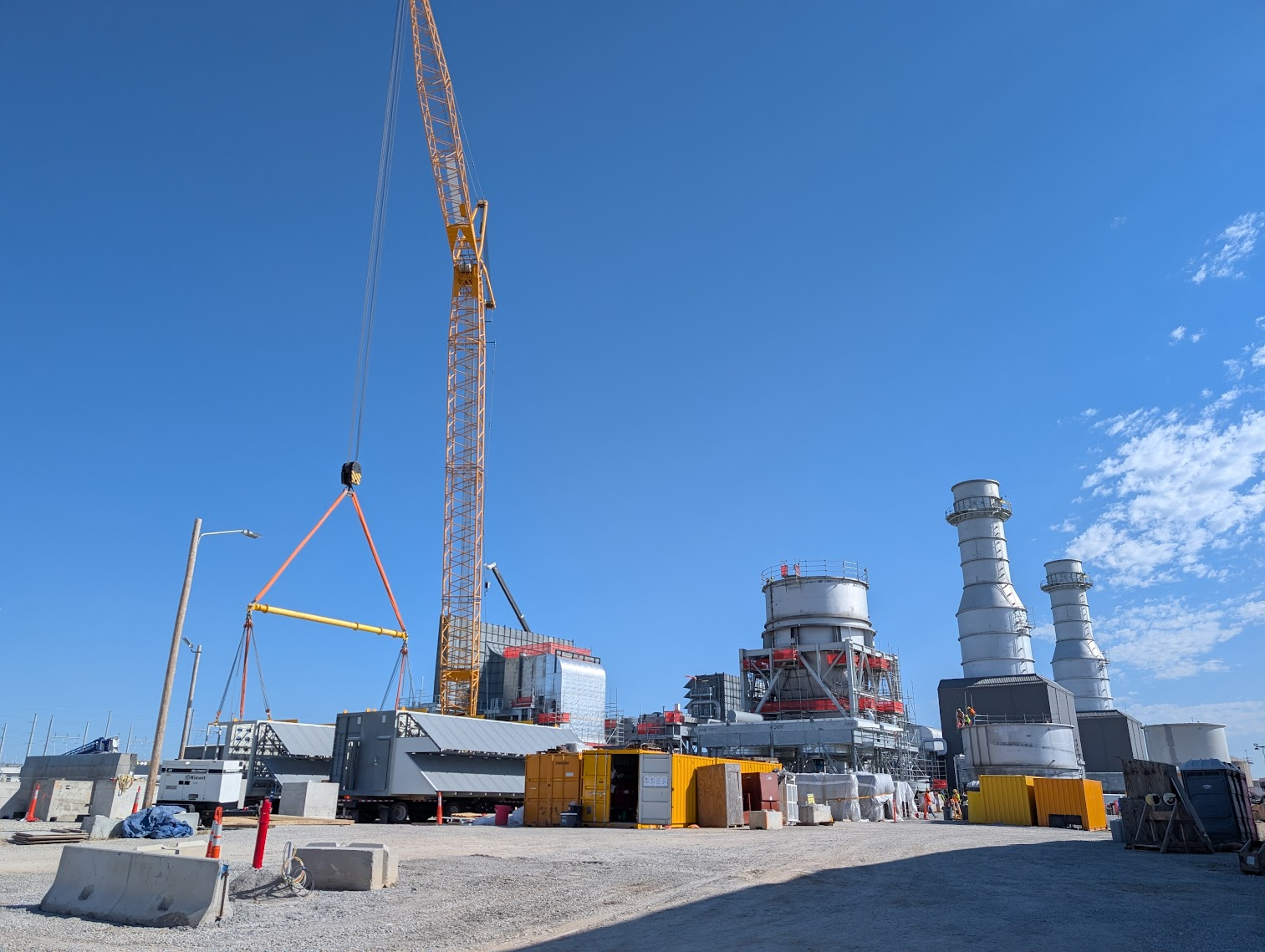
OPPD warns it has under 100 MW of spare capacity for new large customers, jeopardizing data‑center and manufacturing expansion in the Omaha metro.
Background and current capacity crunch
In 2021, Winter Storm Uri forced utilities nationwide into emergency measures, including rolling blackouts by Omaha Public Power District (OPPD) to protect the grid. Afterward, the Southwest Power Pool required members to keep larger reserves for future emergencies.
Since then, a surge in data‑center construction, broader electrification and growth in other industries have lifted demand across the country. OPPD, which serves about 419,000 customers in eastern Nebraska, now reports a severe shortfall in the power it can promise to new or expanding economic‑development projects.
OPPD currently projects it has less than 100 megawatts of available power capacity for new or expanding large customers for the next few years. By contrast, a large data center can require up to 1,000 MW, while manufacturing facilities range from a few megawatts to over 100 MW.
OPPD president and CEO Javier Fernandez said any new or expanding development needing 2 MW or more may have to wait for service. Fernandez will leave the utility at the end of the year, according to an internal announcement.
Economic stakes for Omaha and Nebraska
Economic‑development leaders warn that limited power could put Omaha and the state at a competitive disadvantage for attracting businesses, jobs and tax revenue. The state faces a projected $208 million deficit next year, with income‑tax revenues down $703 million compared with 2022.
“We are bending over backwards. We’re trying to figure out creative solutions,” Fernandez told Grist. “How do we bridge this? Can we buy capacity from other utilities? Literally, no one has excess capacity. Everyone is in the same boat as we are, so now the pinch, so to speak it’s, well, growth has to slow down, maybe?”
Planning the next decade of generation
OPPD’s long‑term plan must decide how much new generation to add over the next ten years. The utility’s current portfolio holds 4,583 MW of capacity. Initial planning results suggest a low‑end addition of about 1,000 MW, but the utility could more than double its portfolio if demand warrants.
Companies with nearly 2,000 MW of economic‑development projects are already in OPPD’s queue through 2031, and about 5,000 MW of other potential projects are considering the area. Fernandez acknowledges that not all queued projects will materialize, but under‑building could return the region to a shortage, while over‑building could saddle ratepayers with excess costs.
Customer mix and future demand
A March presentation showed current peak demand split as 32 % industrial, 41 % residential and 27 % commercial. By 2035, industrial customers are expected to represent 52 % of demand, a shift Fernandez attributes largely to data‑center growth.
Two OPPD board members said coordinated state and local economic‑development plans would help set clear priorities for future energy needs.
Renewables, natural gas and community resistance
To keep costs low while meeting demand, OPPD is looking at additional natural‑gas and renewable projects. Natural‑gas equipment shortages are lengthening construction timelines, while renewables remain the lowest‑cost operating source but face community opposition.
Residents across Nebraska have rejected clean‑energy proposals over fire‑risk concerns and potential impacts on agricultural land and infrastructure. Fernandez described a paradox: “Everyone is saying no, and then we end up in a really bad place.”
Industry competition for power
Data‑center developers and manufacturers are now competing directly for limited capacity. Larry Gigerich, chair of the Site Selectors Guild, noted that manufacturers are becoming more vocal with utilities than in past decades because “we can’t generate enough new power fast enough to meet everybody’s needs.”
Heath Mello, president and CEO of the Greater Omaha Chamber, urged OPPD to plan beyond 2036 and to consider building for more growth, emphasizing that energy is one of the top two reasons the chamber loses deals to other locations.
What lies ahead
OPPD has not disclosed how much of its queue consists of data centers versus manufacturers. As the utility finalizes its ten‑year plan, the balance between adding sufficient capacity and avoiding cost overruns for ratepayers will be the central question for Omaha’s economic future.