UK’s booming legal cannabis market leaves epileptic artist without NHS supply
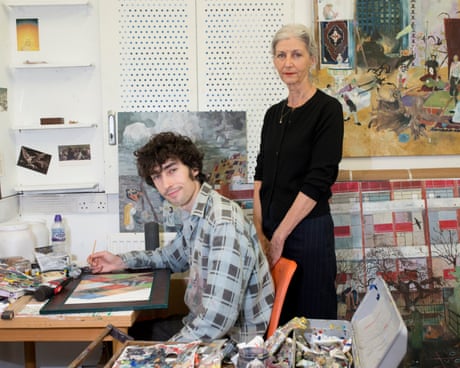
A Dutch‑made epilepsy oil is disappearing as Britain’s private cannabis boom thrives, leaving patients like artist Louis Petit dependent on costly imports.
From exile to enrollment
In 2022 Louis Petit, a young artist accepted to City and Guilds of London Art School, prepared to return to the UK after years in the Netherlands. As a 12‑year‑old diagnosed with a rare form of epilepsy, he had been sent abroad because medical cannabis was illegal at home.
In Rotterdam doctors introduced him to Bedrolite, a cannabis oil that, when combined with standard anti‑epileptic drugs, reduced his seizures—a result his UK neurologists had deemed impossible.
Legalisation that never arrived
The UK government legalised medicinal cannabis in 2018 after pressure from parents such as Charlotte Caldwell and Hannah Deacon. Home Secretary Sajid Javid promised swift action, citing “heartbreaking cases involving sick children.”
Despite the promise, fewer than five NHS prescriptions for unlicensed cannabis products like Bedrolite have been issued up to 2025. Requests for public funding are routinely denied, leaving patients to seek private routes.
Private market boom versus patient scarcity
With the NHS gate closed, the private sector has become the sole source of cannabis medication, charging up to £4,000 a month. Companies market vape pens, gummies and other wellness products, while Bedrolite remains a specialised oil for drug‑resistant epilepsy.
The market’s focus on millennial wellness—anxiety, sleep and chronic pain—offers higher profit than the niche of complex epilepsy or multiple sclerosis, reducing commercial incentive to fund large‑scale clinical trials needed for NHS licensing.
Bedrocan’s collapse threatens supply
Bedrolite’s producer, Dutch firm Bedrocan, has declared bankruptcy. Emma Petit, Louis’s mother, warned that without an NHS funding approval for his neurologists, the supply that keeps Louis well could vanish, even though Dutch stock could last until 2028.
If the private supply disappears, patients would face the same urgency as a hypothetical insulin shortage, yet the stigma surrounding cannabis has kept successive governments from intervening.
Paradox of a thriving industry
The UK now counts cannabis among its new growth sectors, with remote prescriptions, 48‑hour delivery and targeted social‑media campaigns expanding the customer base. Yet the most vulnerable—children and adults with severe epilepsy—remain unable to access the medication through the NHS.
“It’s been one shock after another since we came home,” Emma Petit said, highlighting the disconnect between a booming market and the unmet medical needs of patients like her son.